As drones are increasingly used for military purposes such as reconnaissance and attack, detection technology for very small drones has become critical. Interest in radar technology for protecting infrastructure including military bases, airports and nuclear power plants has therefore been increasing. However, detecting small drones over long distances remains technically demanding.
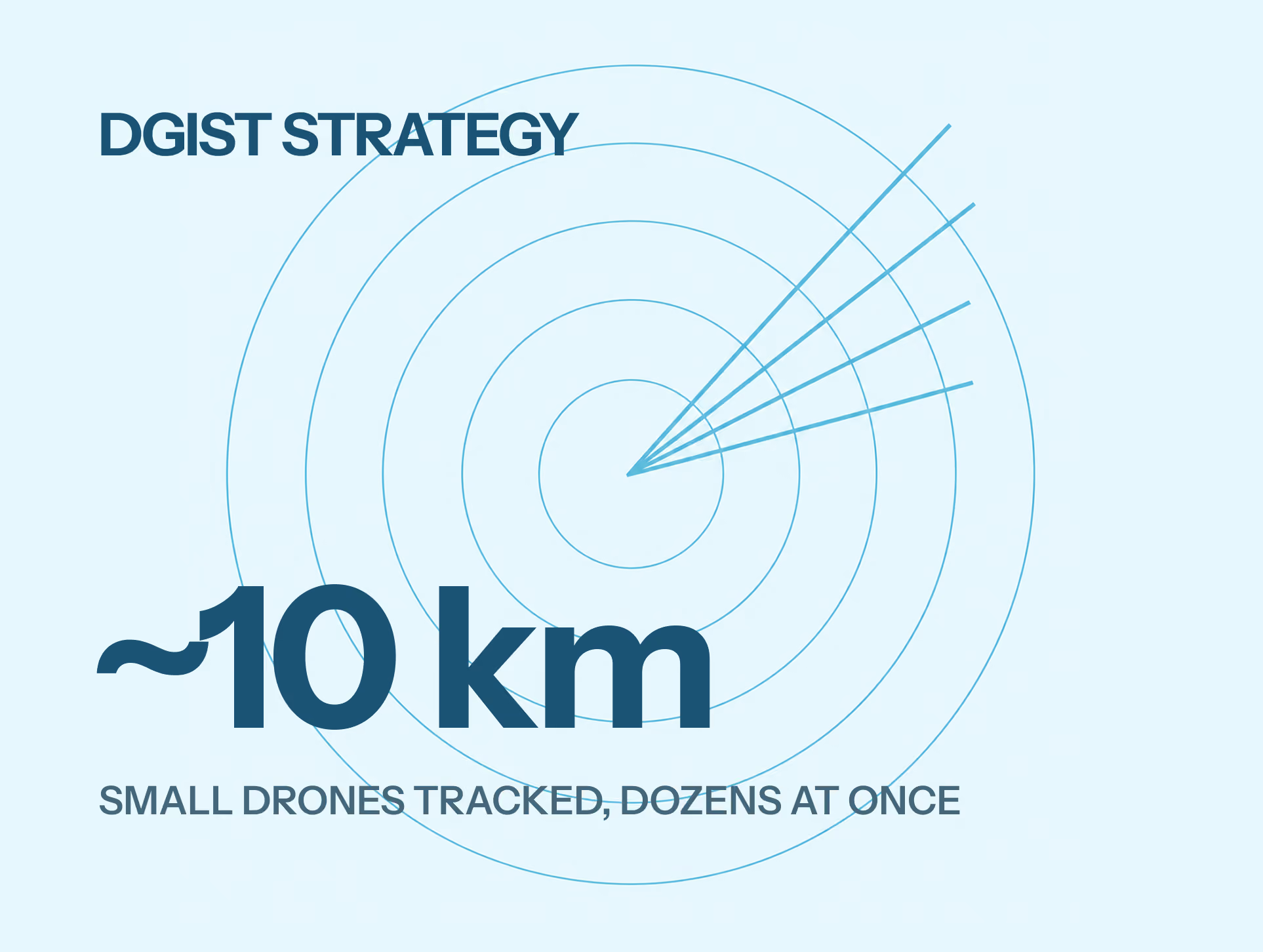
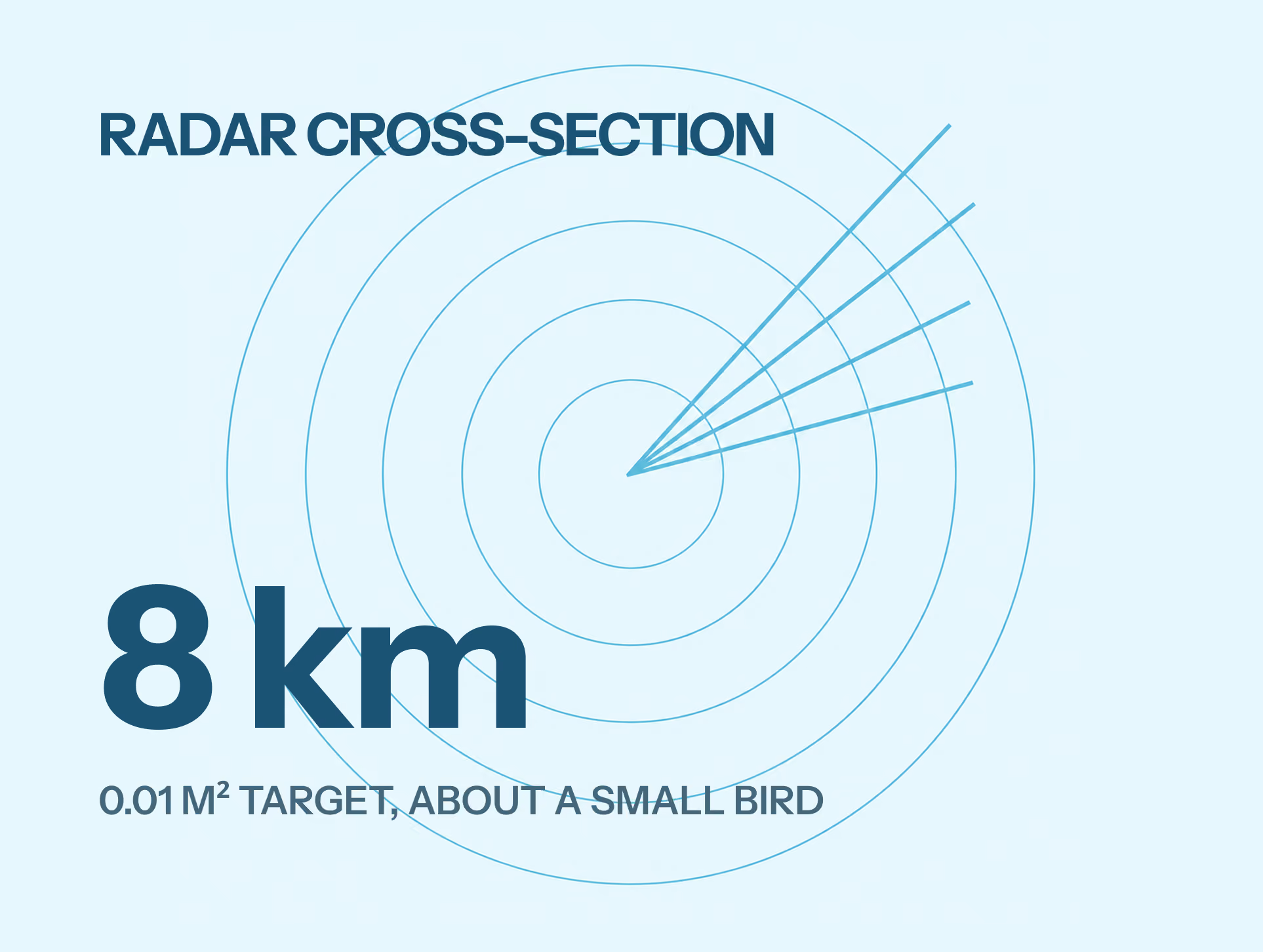
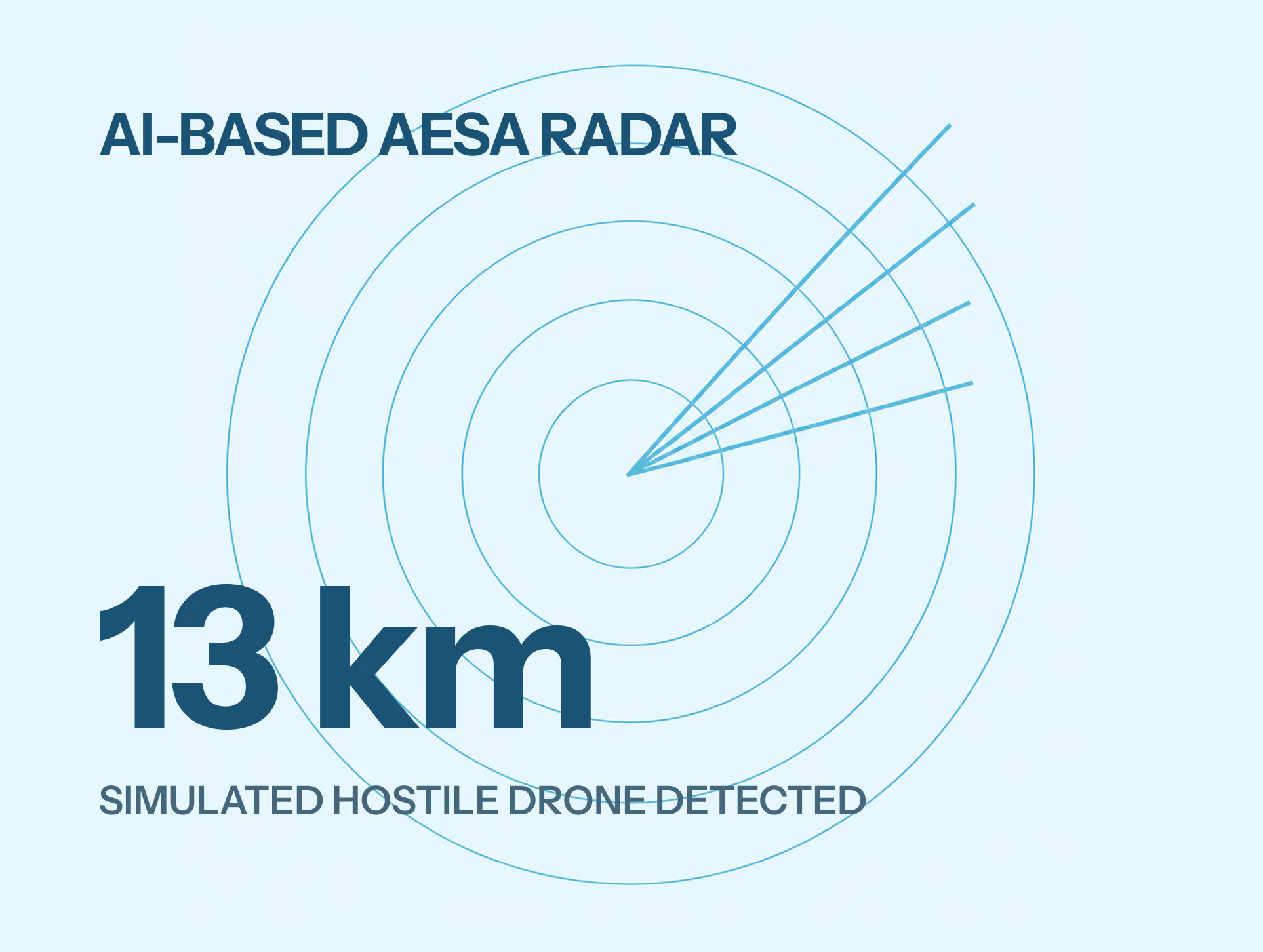
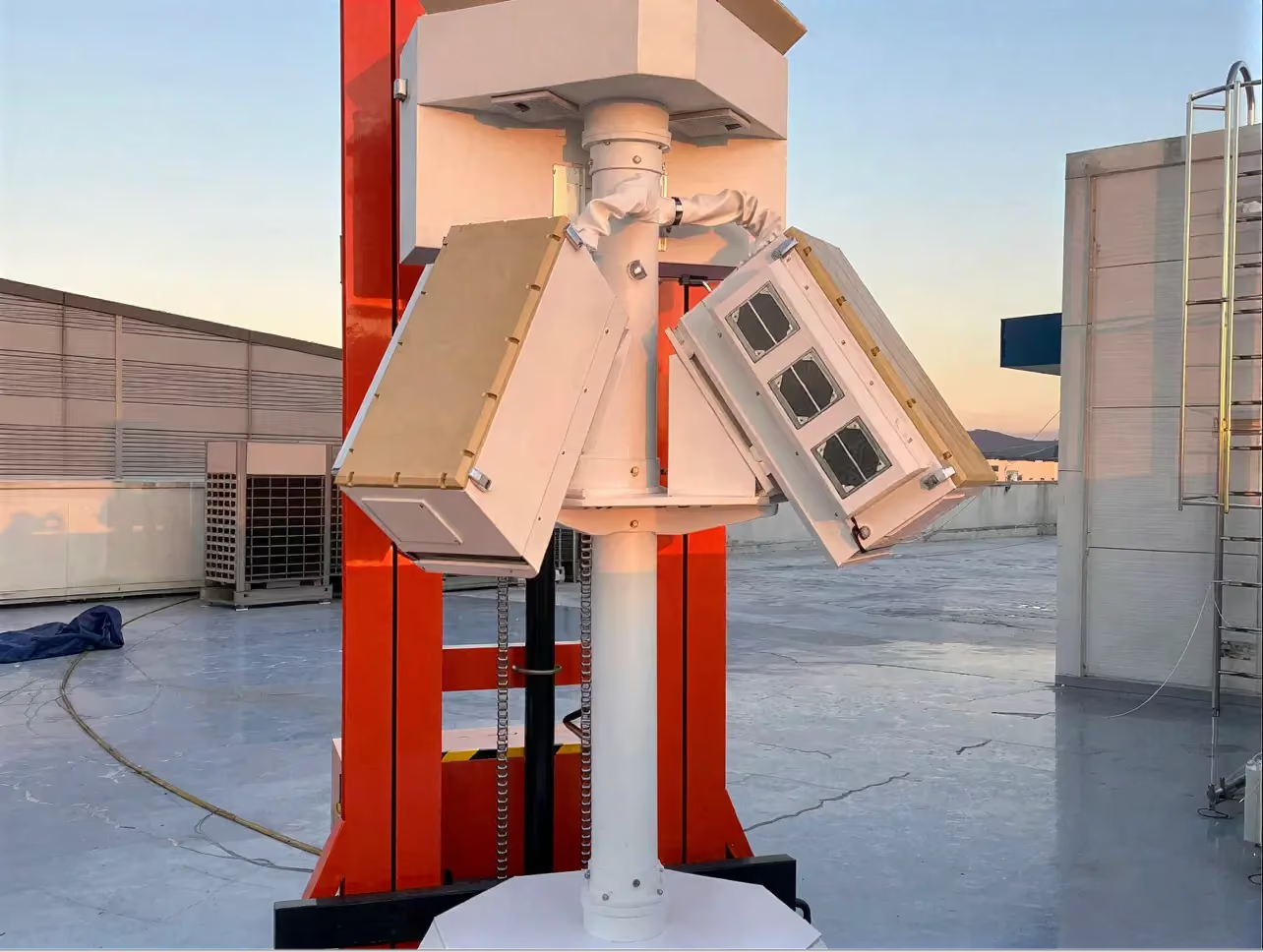
TORIS, a start-up founded by DGIST researcher Dr. Dae-gun Oh, developed radar technology capable of detecting a tiny drone with an RCS of 0.01 square meter from a distance of 8 kilometers. Following delivery of its radar equipment to the defense sector, the company planned to develop and launch a radar with a detection range exceeding 10 kilometers in 2022.
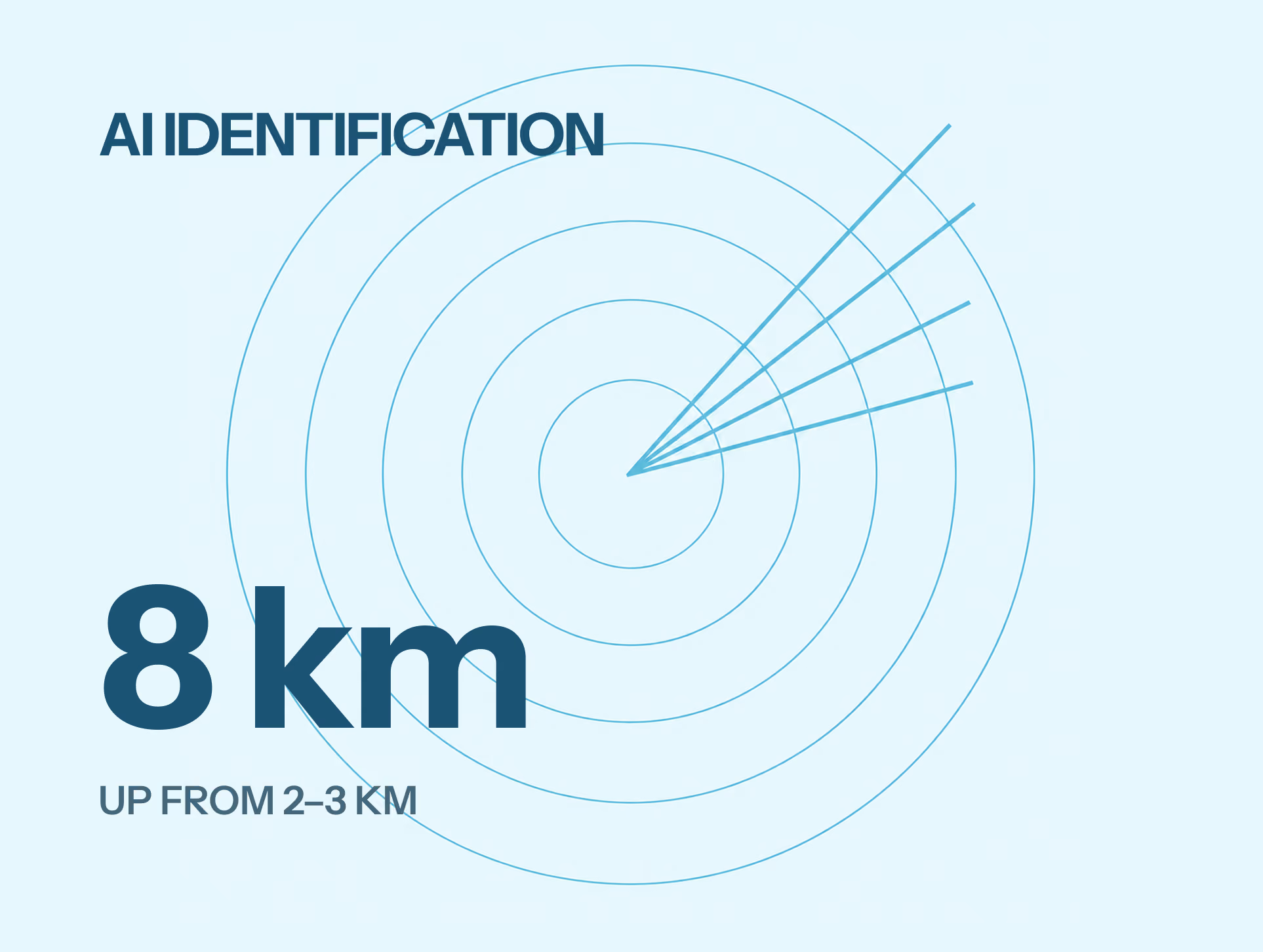
Dr. Oh, CEO of TORIS, began working on independent AESA radar development in 2016, focusing on long-range drone detection. That year, the research team was the first in Korea to develop dual-channel ultra-high-resolution radar technology capable of detecting a drone 200 meters away. By 2019, it had developed an AESA radar capable of tracking Phantom-class drones at distances exceeding 3 kilometers, and the detection range had subsequently improved to more than 8 kilometers.
The team had accumulated proprietary technology through multiple years of trials and errors, spanning antennas, RF systems, digital systems and signal-processing software. AESA radar systems require a high level of integrated design competence in all of these areas.
TORIS combined its AESA radar technology with AI recognition based on generative adversarial networks (GANs) to address the problem of identifying drones even when training datasets are limited.
The radar system was selected in November 2020 for DAPA’s rapid demonstration procurement project under the ‘Integrated Radar-Linked Counter-Drone Solution.’ It was delivered to the Army, Navy and Air Force in June 2021 and entered a six-month demonstration. The program is intended to accelerate the introduction of new civilian technologies into the military.
TORIS said it planned to enter not only the defense market but also civilian infrastructure markets. The products were being developed to protect important facilities such as airports, petrochemical complexes and nuclear-power generation sites from attacks by drones.
For overseas markets, the company was contacting organizations in the United States and other major countries through a variety of channels to discuss drone-detection radar technologies. It expected exports to provide an opportunity to advance in the international market.
Oh said that sustained and comprehensive research support from the Ministry of Science and ICT and DGIST had helped the company secure differentiated foundational radar technology. He expressed an ambition for TORIS to become a leading global counter-drone radar company, competing with established suppliers such as Northrop Grumman in the United States and ELTA in Israel.