Unofficial English summary. Original coverage: read in Korean.
DGIST set out three strategic fields for future industries: physical AI built on the Daegu region’s industrial and robotics infrastructure, a human digital twin that uses multimodal AI to model how the body interacts with its environment, and quantum sensing, Newspim reported.
Among its startup examples, the institute highlighted TORIS, an anti-drone radar company founded by a former DGIST researcher, describing its technology as purely domestic and a potential driver of Korea’s defense exports.
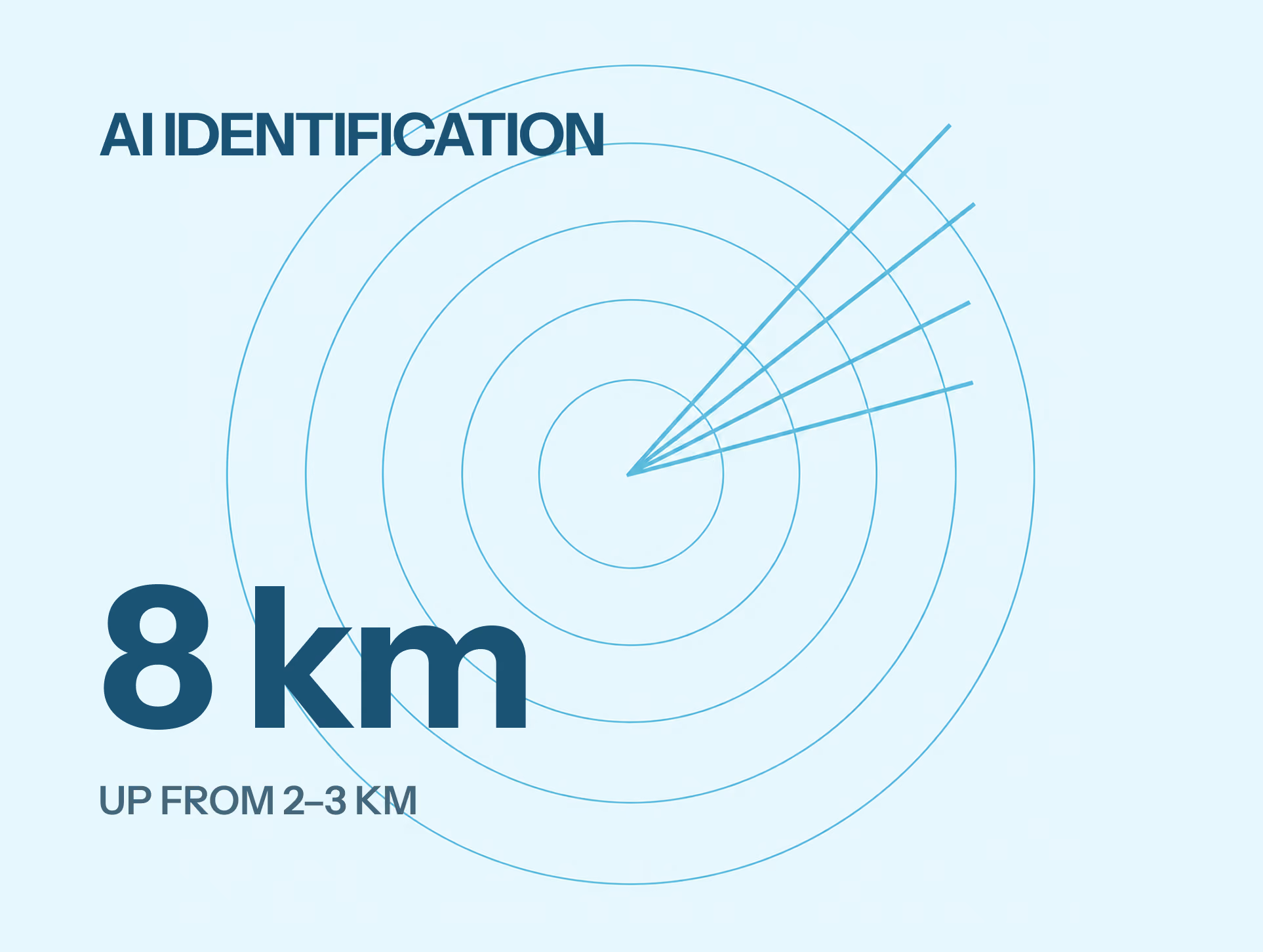
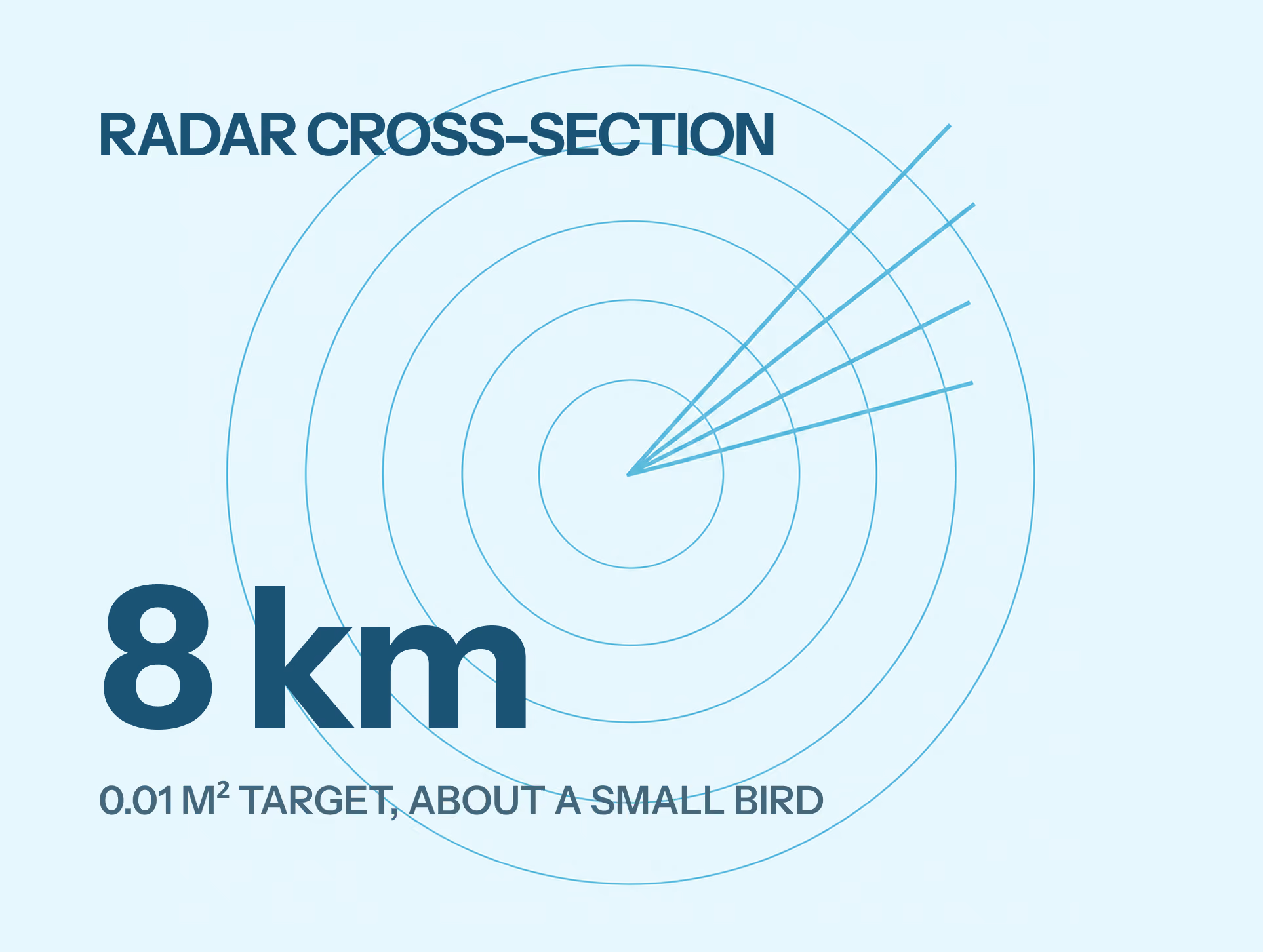
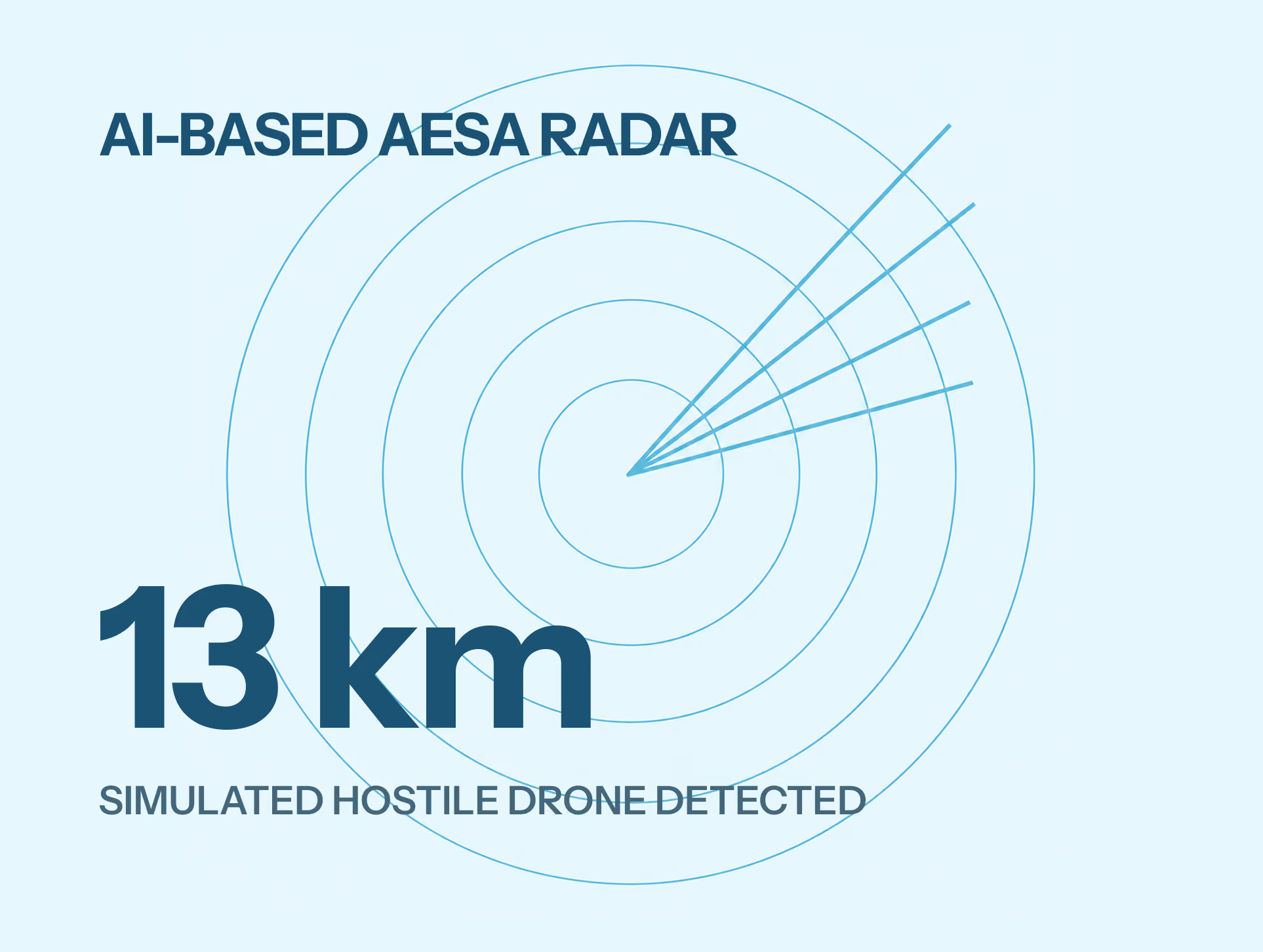
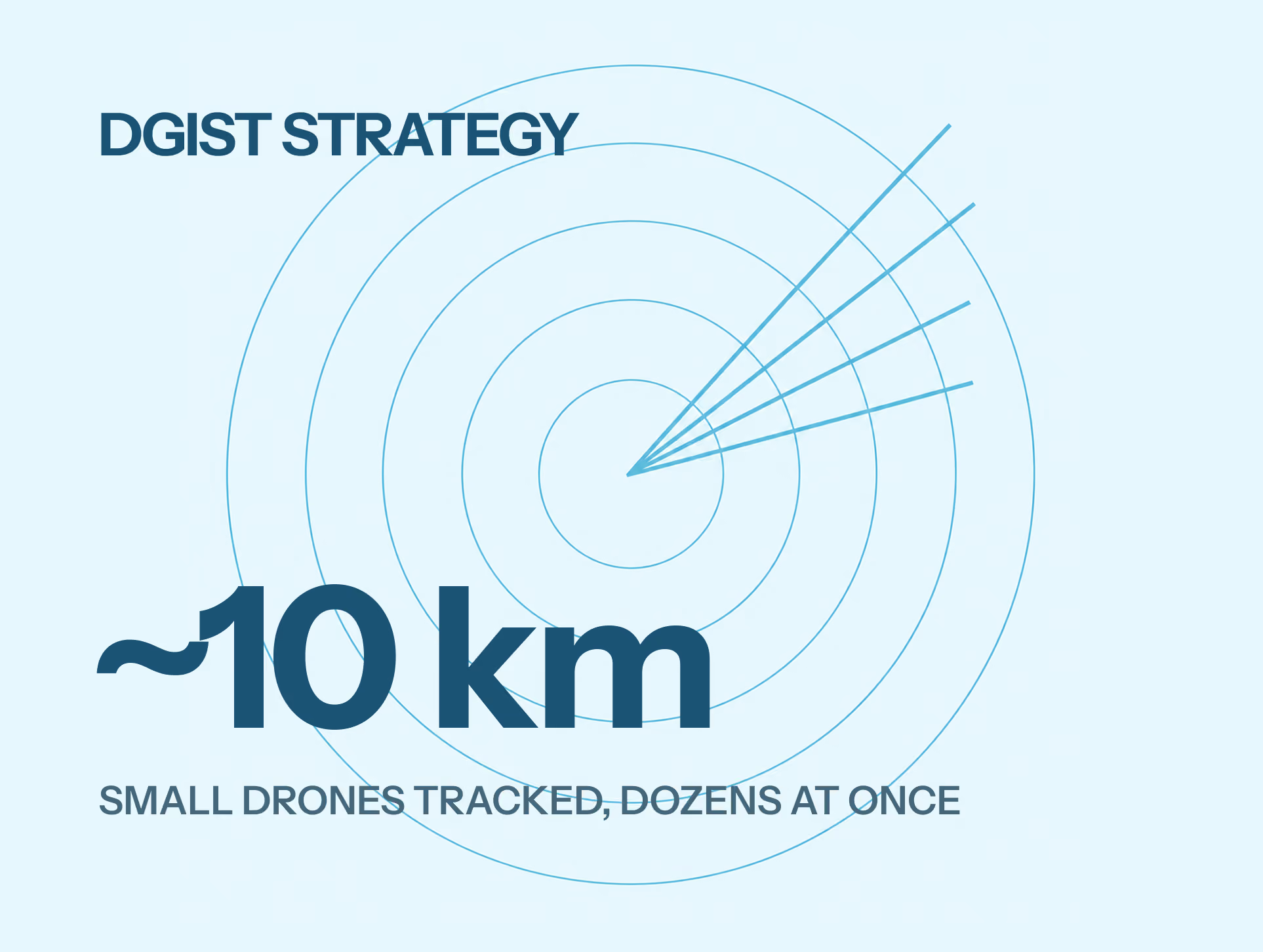
According to the report, TORIS’s radar detects, identifies and tracks very small drones at about 10 km and can follow dozens of drones on different routes over land and sea at the same time.
CEO Dae-gun Oh said R&D support had been a great help through countless failures and successes, and that high demand could be expected in global markets.
The human digital twin strategy aims to predict how the body responds to its environment, supporting personalized treatment and shortening the time and cost of developing drugs, devices and clinical trials.
On quantum sensing, the article noted the Korean government’s plans to invest 112 billion won in quantum technology development and 41.7 billion won in infrastructure.
The same day, Dong-A Science ran an interview with Oh under the headline “The Secret of World-Class Korean AI Drone Detection? Long-Term Support and Failure.”