Unofficial English summary. Original coverage: read in Korean.
As North Korea sent trash balloons across the border, Chosun Biz examined whether radar could catch such small, slow targets and asked experts including TORIS CEO Dae-gun Oh, a former DGIST researcher.
Oh explained that a radar’s detection performance depends on a target’s radar cross-section, or RCS, the area that reflects radar signals. Because the balloons are small in both physical size and RCS, he said, detecting them would not be easy.
He added that the military’s existing radars were designed to track fighter jets and missiles rather than small objects, which makes them a poor fit for balloon-sized targets.
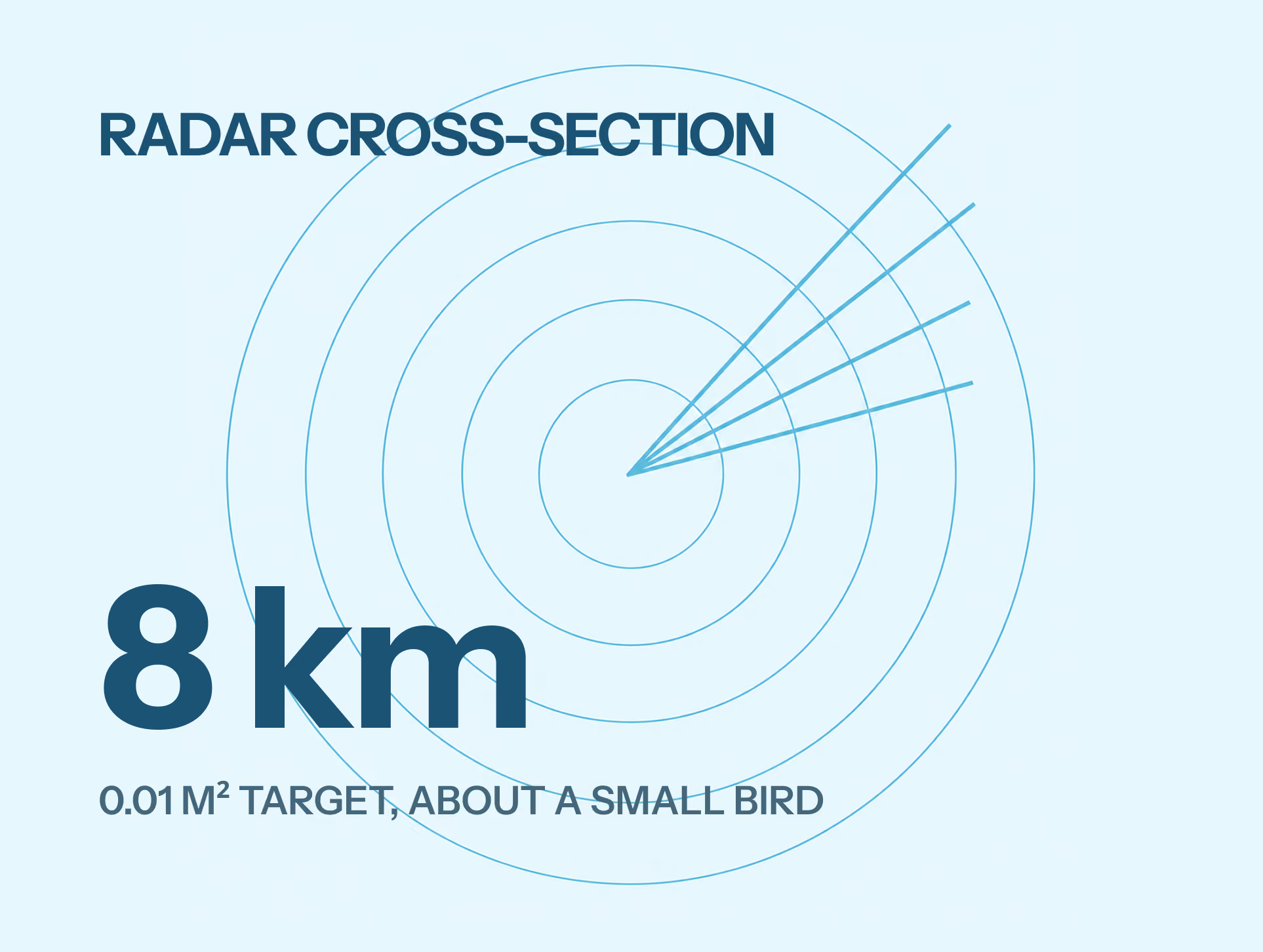
According to Oh, AI algorithms can improve radar performance dramatically. Current technology can detect an object with an RCS of 0.01 m², roughly the size of a small bird, at a distance of 8 km.
The article noted that experts were divided on whether current radars could catch the balloons because of their small size, low reflectivity, and clutter from clouds and birds. AI-based noise removal was being studied as one answer.
The piece also described a radar developed to watch low Earth orbit, which can detect an object with an RCS of 1 m² at about 1,500 km to help prevent satellite collisions.
It cited the US Space Fence system, completed in 2020, which can track about 26,000 space objects at the same time.