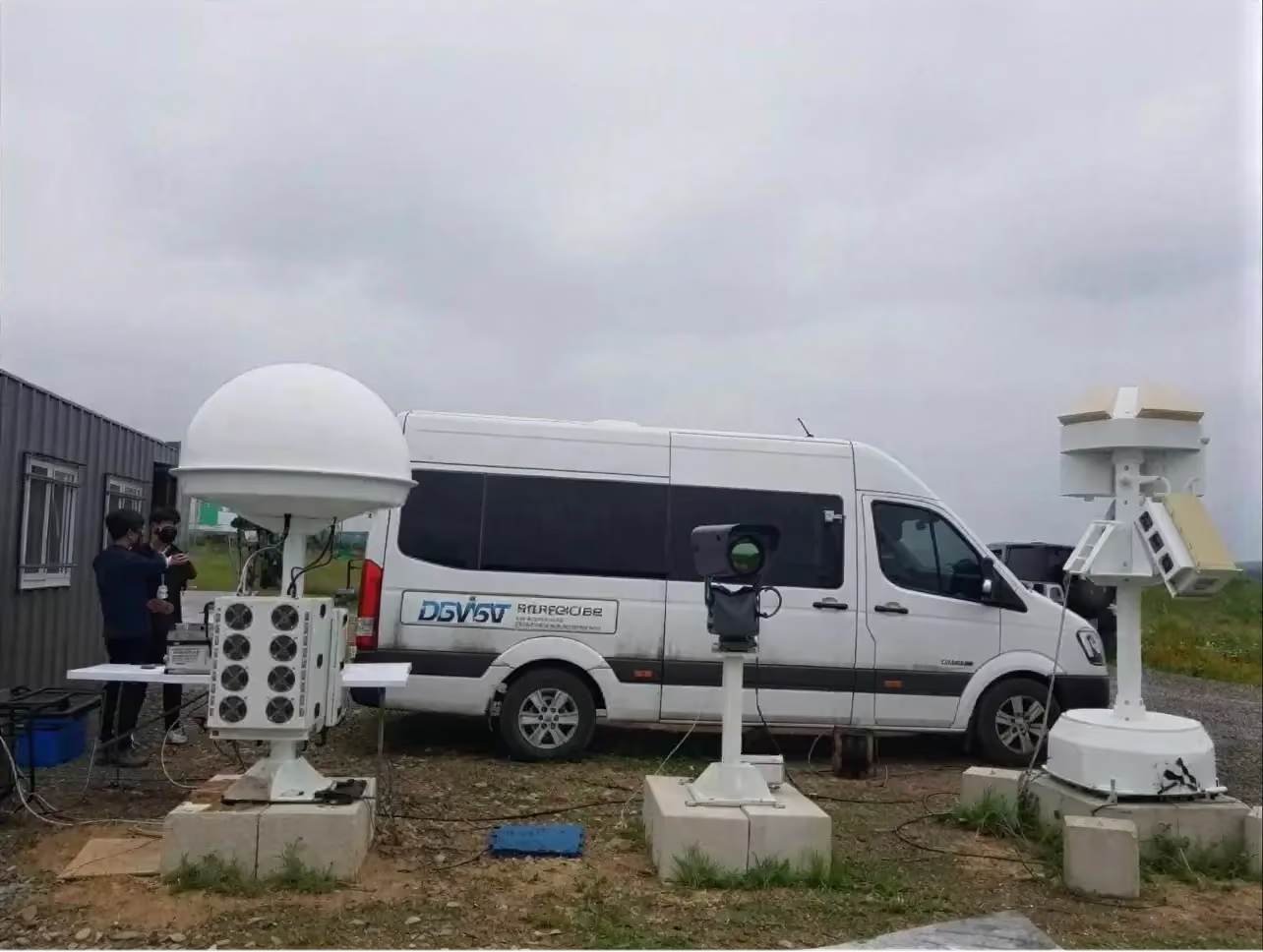
Radar-linked counter-drone equipment and operational concept, as shown in the Munhwa Ilbo report.
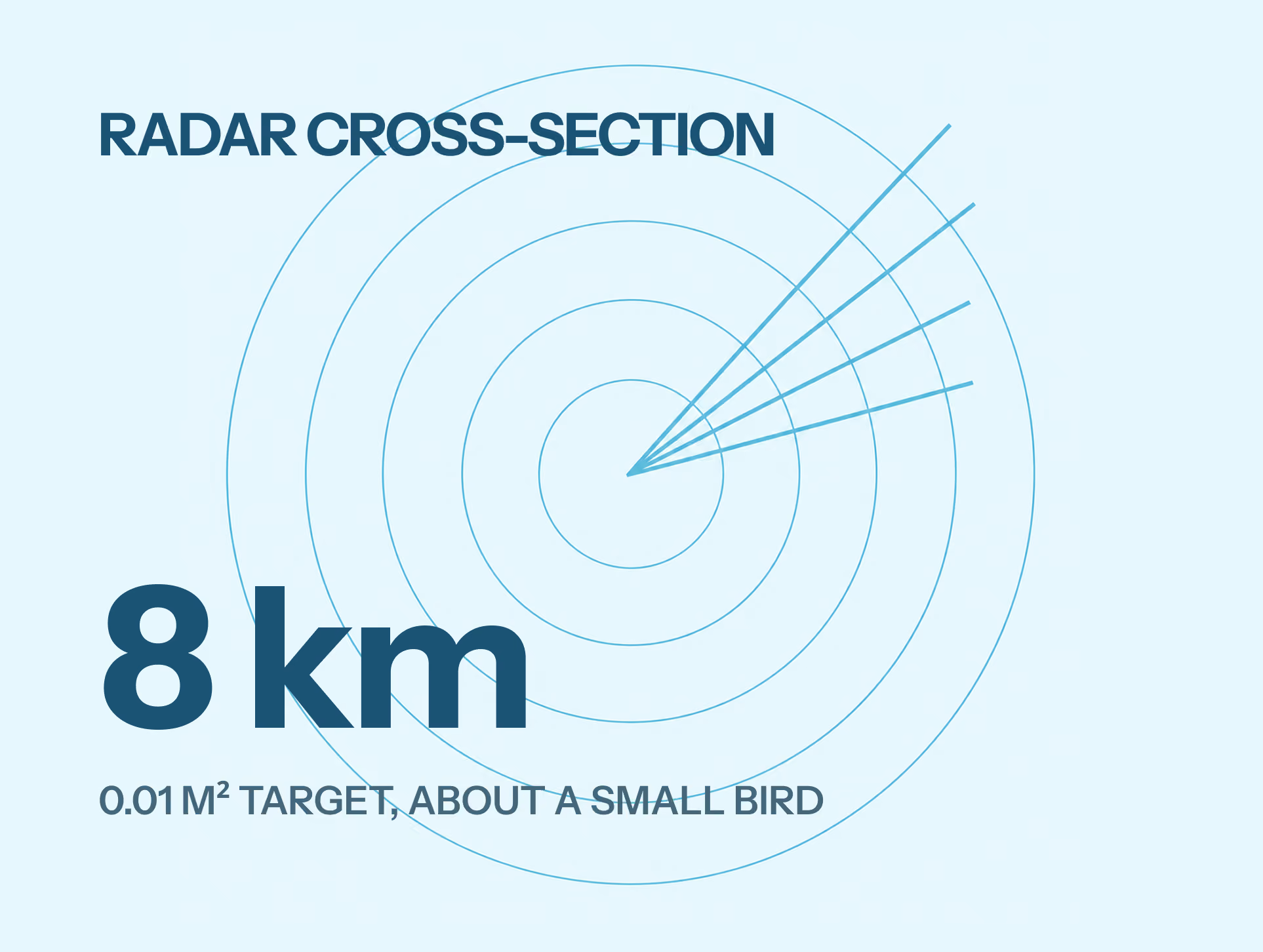
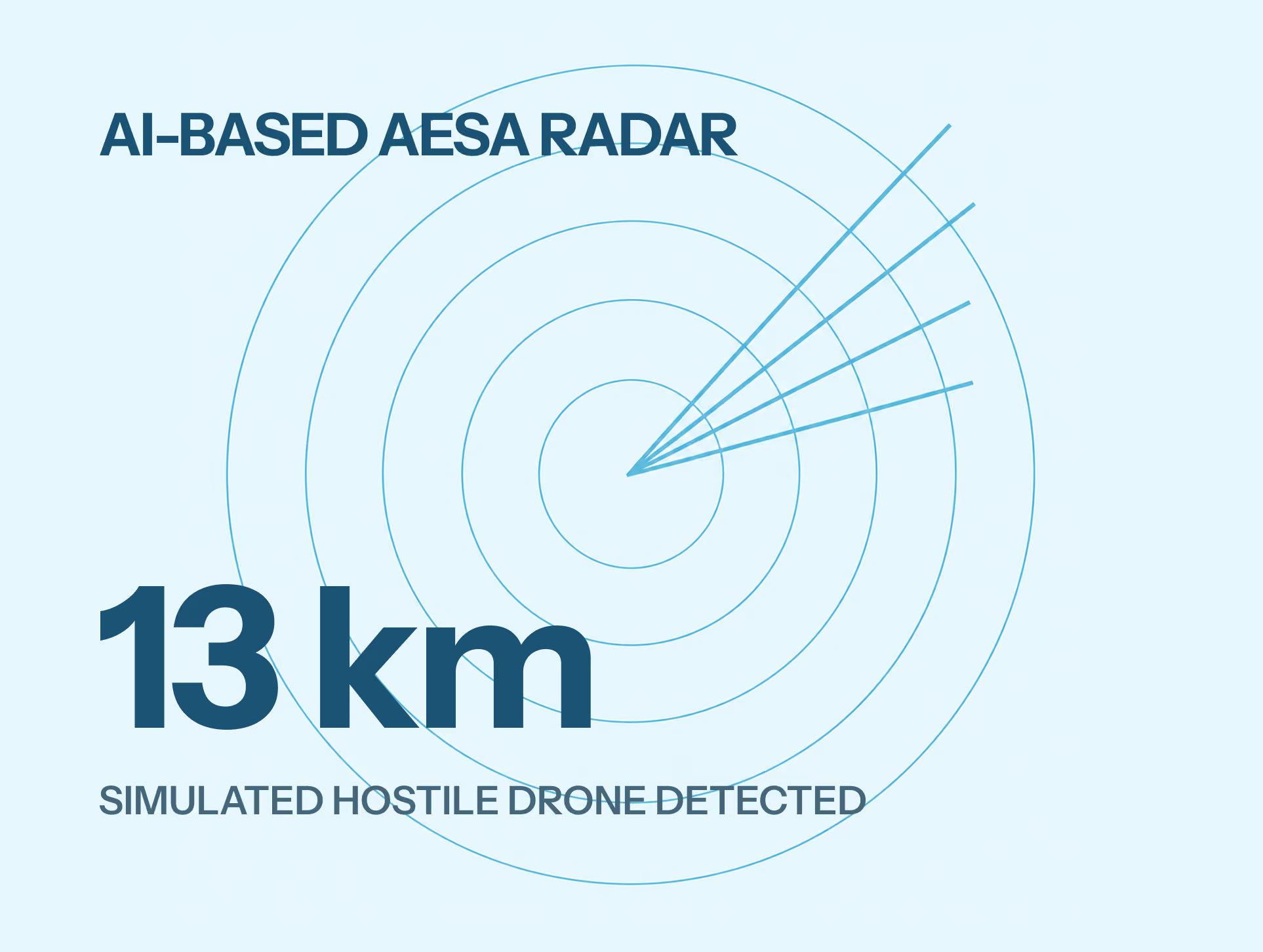
A Korean team has developed radar technology capable of detecting tiny drones with a radar cross section (RCS) of 0.01 square meter from as far as 8 kilometers away. The development is part of a project to build a comprehensive counter-drone system for protecting important military facilities.
Drone technology is increasingly used worldwide for reconnaissance and attack. Accordingly, technologies that can detect and disable small unmanned aircraft are expected to play a major role in protecting military infrastructure and defense assets.
The system, developed by Korean counter-drone company K-Nets, combines radar and anti-drone technologies in an integrated platform that detects and identifies small drones and uses electronic jamming to prevent their approach to critical sites.
DAPA announced on June 22 that it had completed manufacturing and inspection of the ‘Integrated Radar-Linked Counter-Drone Solution,’ procured under the rapid demonstration program in November 2020, and would conduct a six-month trial across the Army, Navy and Air Force beginning that day. The reported contract amount was KRW 4.84 billion.
During preliminary inspection, the radar detected a drone with an RCS of 0.01 square meter at a distance of 8 kilometers. The aircraft used was a DJI Phantom 4 Pro measuring approximately 289.5 × 289.5 × 196 millimeters.
An official involved in the project said Korea’s small-drone radar technology had previously lagged behind overseas technologies. The new detection results were described as world class, with the technology expected to enhance domestic defense capabilities and create prospects for overseas markets.
The AESA radar, a core component of the counter-drone system, was developed by a company founded by researchers at DGIST. Its integration with electronic-warfare countermeasure systems was expected to provide an improved response to small-drone threats.
The report cited examples of the rapidly growing drone threat, including the 2019 attacks on oil facilities in Saudi Arabia. Officials expected the new equipment and the rapid demonstration procurement process to strengthen Korea’s capabilities to respond to emerging threats.
Kim Il-dong, then head of DAPA’s Future Force Business Support Bureau, expressed hope that the equipment would help strengthen air-defense capability at key military installations and that innovative technologies from industry, academia and research institutions would continue to enter defense applications.