This translated excerpt corresponds to page 16 of KISTEP Technology Trend Brief No. 10 (2021), “Counter-Drone.”
Domestic defense companies are expanding their own research and development of detection and neutralization equipment based on existing technologies, while also conducting defense R&D projects.
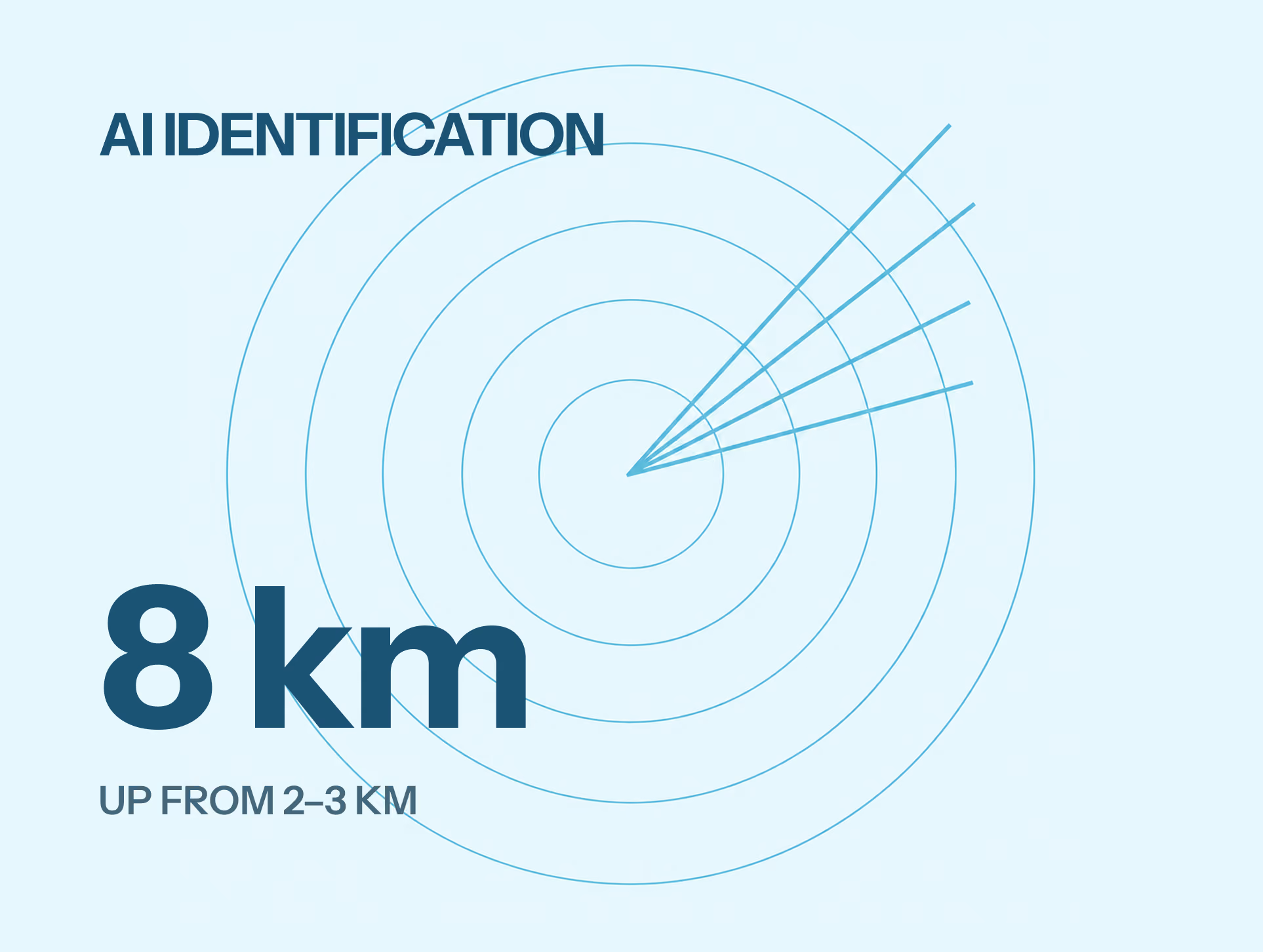
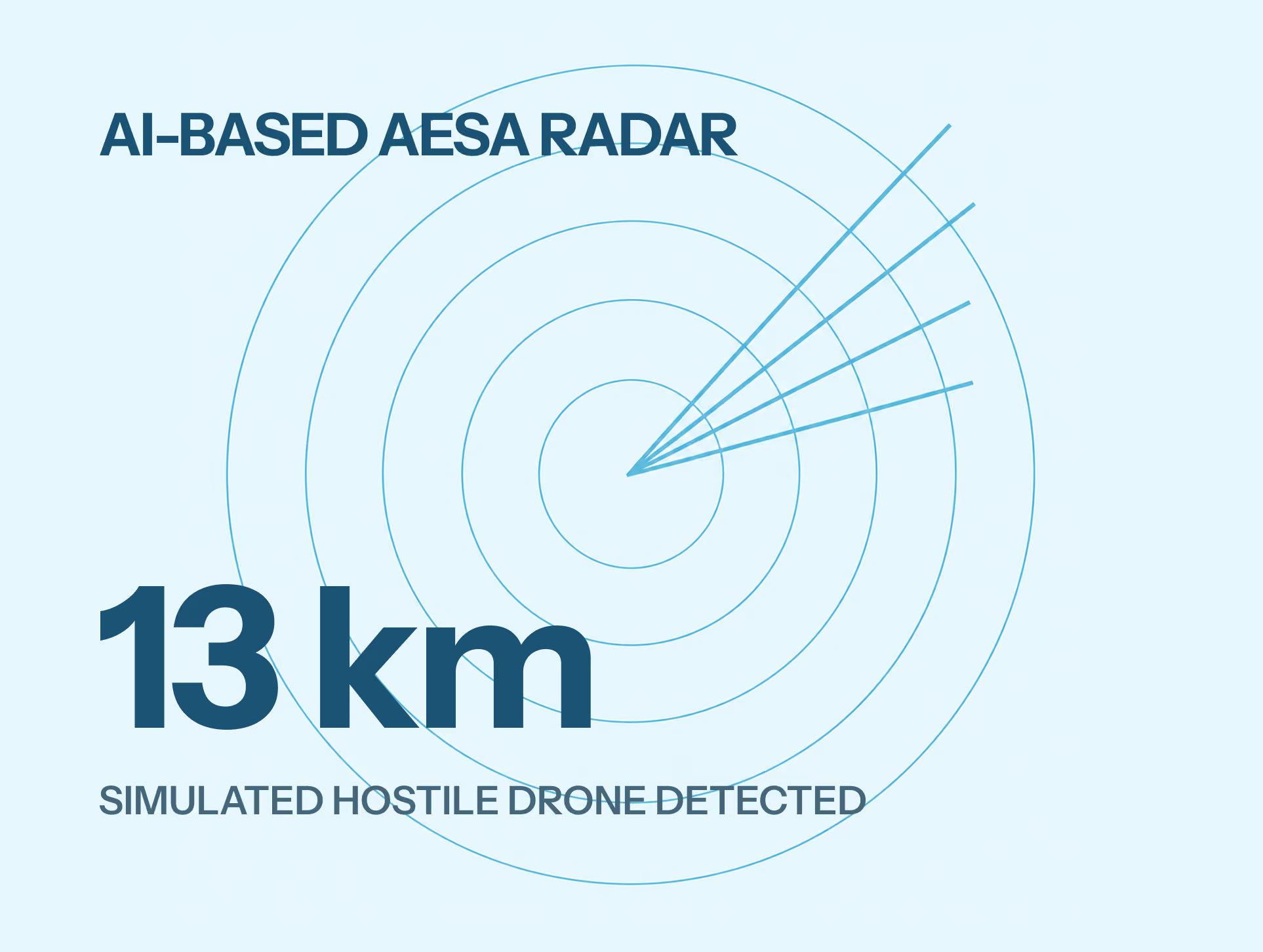
LIG Nex1 had been developing its L_ADS system since 2018, applying radar and AI technologies to improve detection accuracy by combining radar, cameras and other sensors.
Starting in 2018, the system was developed as part of a national defense radar advancement effort with a project value of KRW 59.1 billion. An evaluation demonstration was planned for 2021.
L_ADS uses sensor data collected on a data server to improve drone detection accuracy and incorporates jamming equipment to enable soft-kill drone neutralization even outside protected areas.
Hanwha was producing prototypes of a Korean-style Star Wars technology, namely a high-power laser air-defense weapon intended to engage small unmanned aircraft, while conducting joint work with the Electronics and Telecommunications Research Institute (ETRI) on improving target detection.
The company and ETRI researched hybrid ESA (electronic beam steering) and AI-based radar signal processing to improve detection capability. It also participated in projects developing laser air-defense weapons to disable drone targets and in work involving a lightweight laser oscillator and beam-control system.
Technology start-ups based at smaller companies and universities were also developing counter-drone products and pursuing civilian and military markets, including through exports.
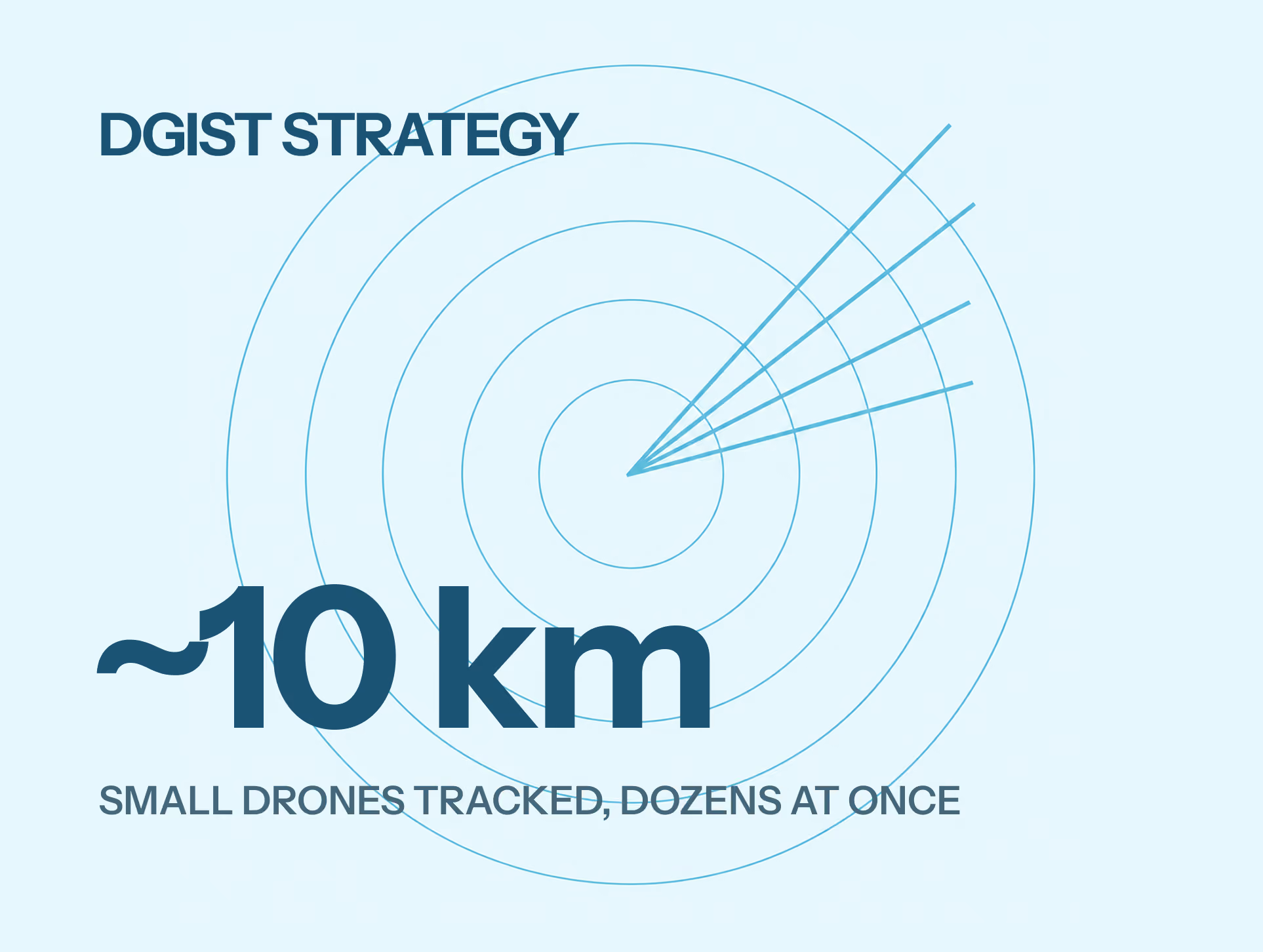
The brief identifies a radar-linked integrated counter-drone solution jointly developed by DGIST start-up TORIS and K-Nets. The system was selected for DAPA’s rapid demonstration procurement project, contracted in November 2020, and scheduled for a six-month trial beginning in June 2021.
Demstech was reported to have exported its domestically developed lightweight drone-jamming gun, Drone Hunter X, to the government of Saudi Arabia in 2019, opening an overseas defense market.
Pellicat was developing an integrated counter-drone control platform, fx.EagleEye, employing AI technology to analyze EO/IR sensor data and support detection and tracking.
Reference 35: Maeil Ilbo (Dec. 30, 2018), reporting that LIG Nex1 signed a KRW 59.1 billion contract with DAPA for mass production of short-range air-defense radar.
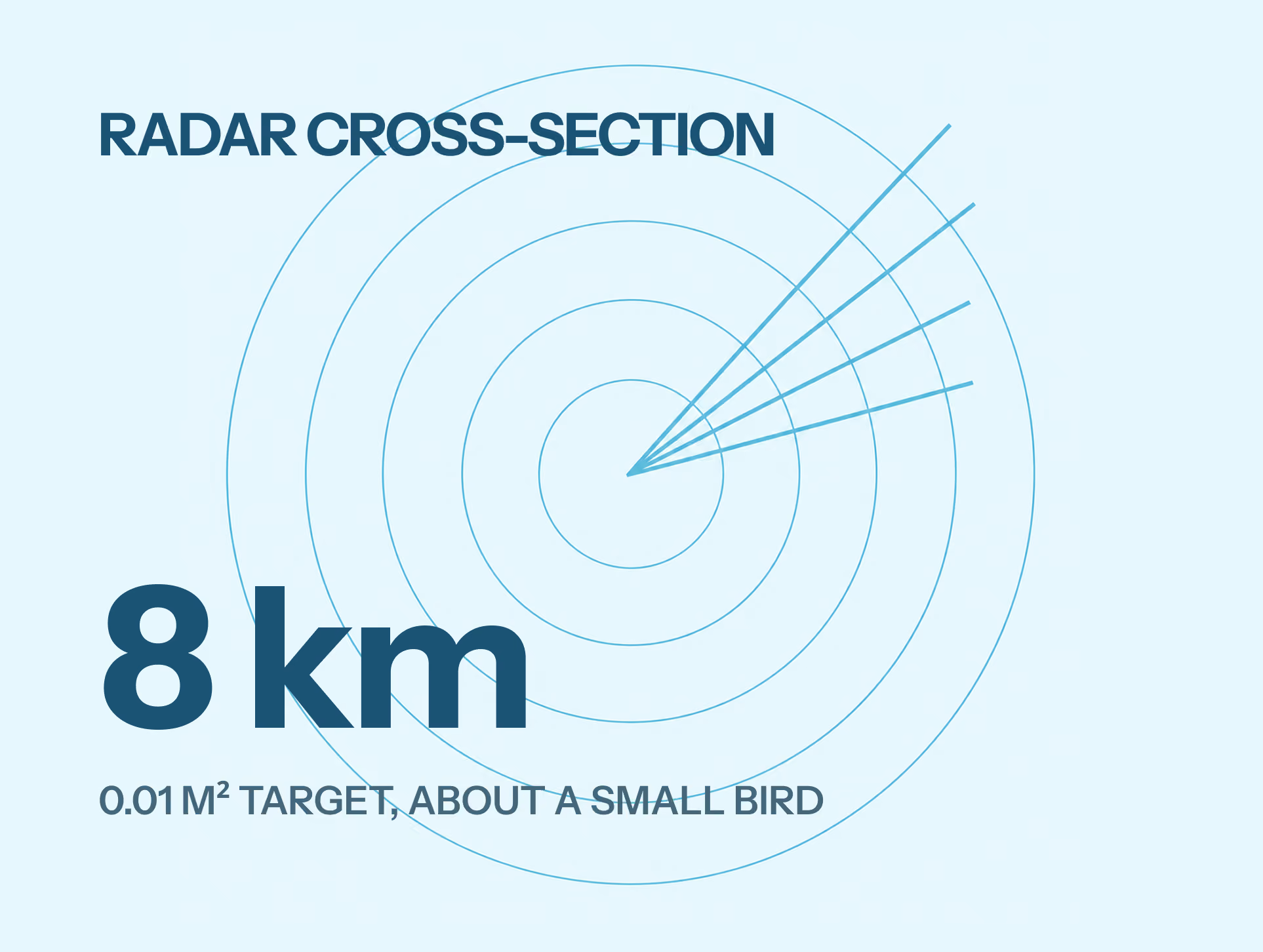
Reference 36: Chosun Ilbo (Mar. 10, 2020), reporting on the first Korean AI-equipped radar capable of detecting drones as small as a fist.
Reference 37: Hanwha corporate website, describing development of defense laser technology.
Reference 38: Chosun Biz (May 31, 2021), reporting that Hanwha secured a KRW 24.3 billion contract for development of a prototype laser oscillator.
Reference 39: ETNews (June 1, 2019), reporting Demstech’s export of the lightweight Drone Hunter X jamming gun to Saudi Arabia, opening an overseas defense market.
Reference 40: ETNews (Jan. 29, 2021), reporting an executive interview about upgrading an integrated counter-drone monitoring and control platform with AI.