Senior Researcher Dae-gun Oh presents the drone-detection radar results at a Ministry of Science and ICT briefing. Photo: Ministry of Science and ICT.
‘There are very few radars anywhere in the world capable of detecting a drone several kilometers away, because the reflected radar signal is extremely weak,’ the report explained.
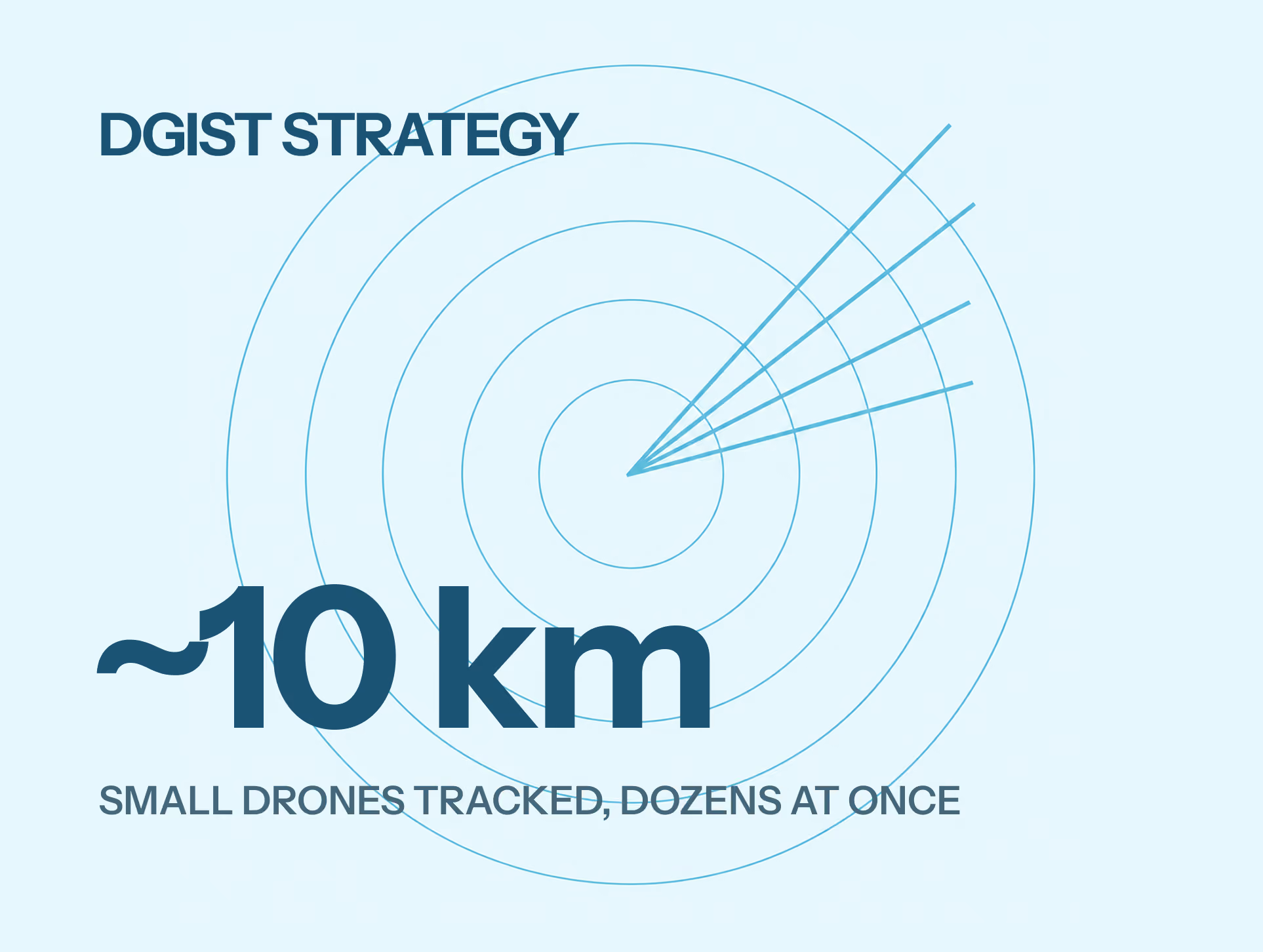
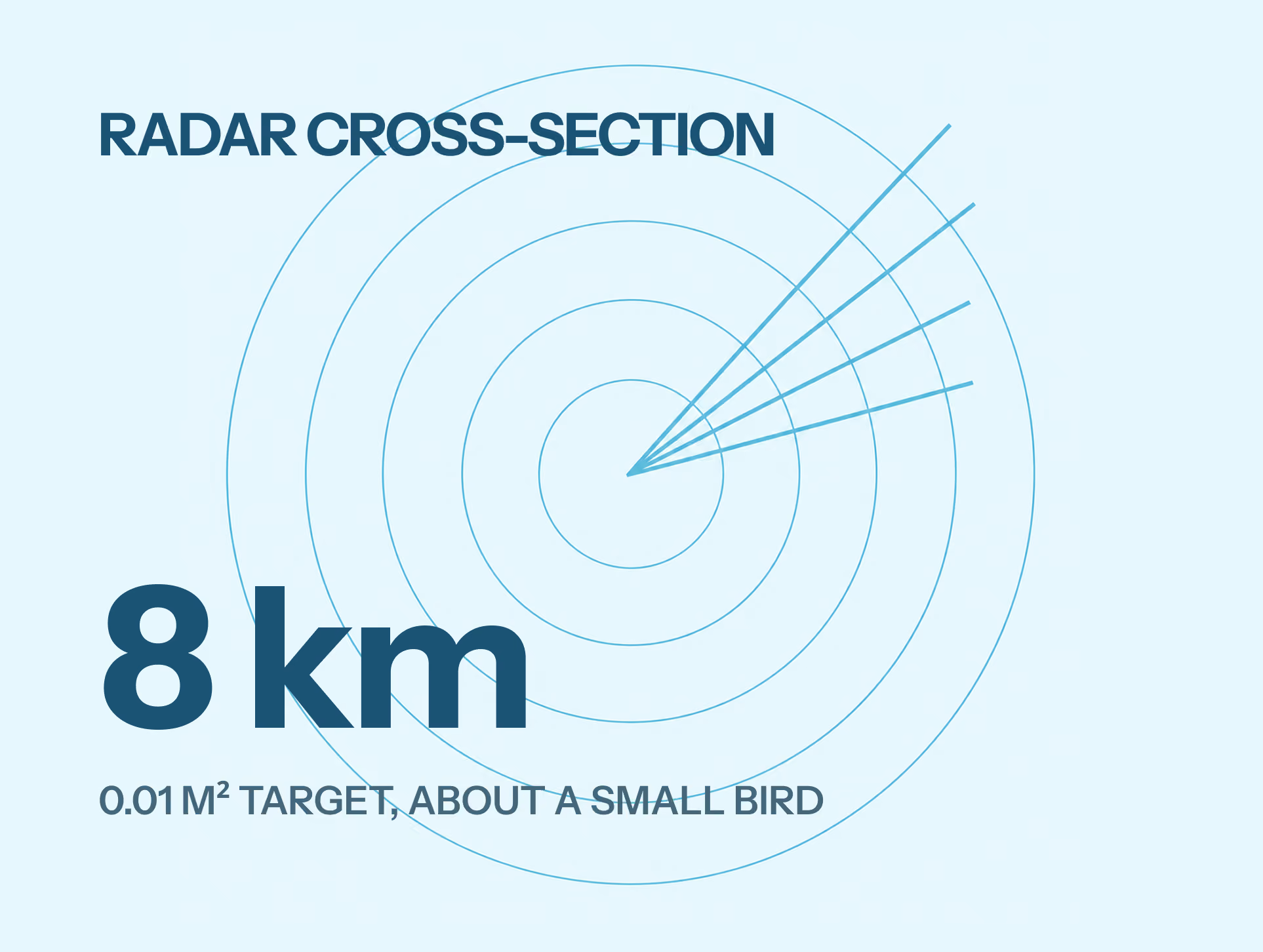
At a presentation held on July 16 at the Ministry of Science and ICT briefing room in Gwacheon, Senior Researcher Dae-gun Oh of DGIST’s Collaborative Robotics Research Center said that the team had developed a ‘drone-detection radar system’ capable of identifying very small drones flying more than 3 kilometers away, together with a research team led by Professor Young-wook Kim of California State University, Fresno.
The team said commercialization could be possible by late 2019 or in 2020. Professor Kim explained that development work on detection and identification had been completed, but integrated testing with systems that identify and disrupt unauthorized drones was still required. The team planned to conduct tests using AI algorithms to discriminate actual target drones among different detected objects.
The development of radar target-identification technology has been conducted through joint research since 2017, supported by a Ministry of Science and ICT grant administered through DGIST. The study’s radar recognition results were published online in IEEE Geoscience and Remote Sensing Letters in June.
Working with Professor Kim, Oh’s team developed a radar system for detecting very small drones at distances exceeding 3 kilometers. The researchers expected the technology to increase the domestic technology base and improve Korea’s standing in the international drone-detection market.
In 2014, following reports of North Korean drones in Paju, Gyeonggi Province, the South Korean military adopted drone-detection radar systems based on foreign technology. It subsequently created new drone units and trained specialist personnel to strengthen its counter-drone capability.
However, as Korean drone-detection radar technology remained less mature, many radar systems were still imported. Notable foreign suppliers included RADA of Israel and Blighter of the United Kingdom. The new research was presented as a way to move Korea closer to independent radar technology capable of detecting very small drones at distances of more than 3 kilometers.
In 2016, DGIST had independently developed a radar capable of detecting drones more than 200 meters away. The 2019 system extended the range to more than 3 kilometers while detecting Phantom-class drones as small as approximately 55 × 55 × 40 centimeters.
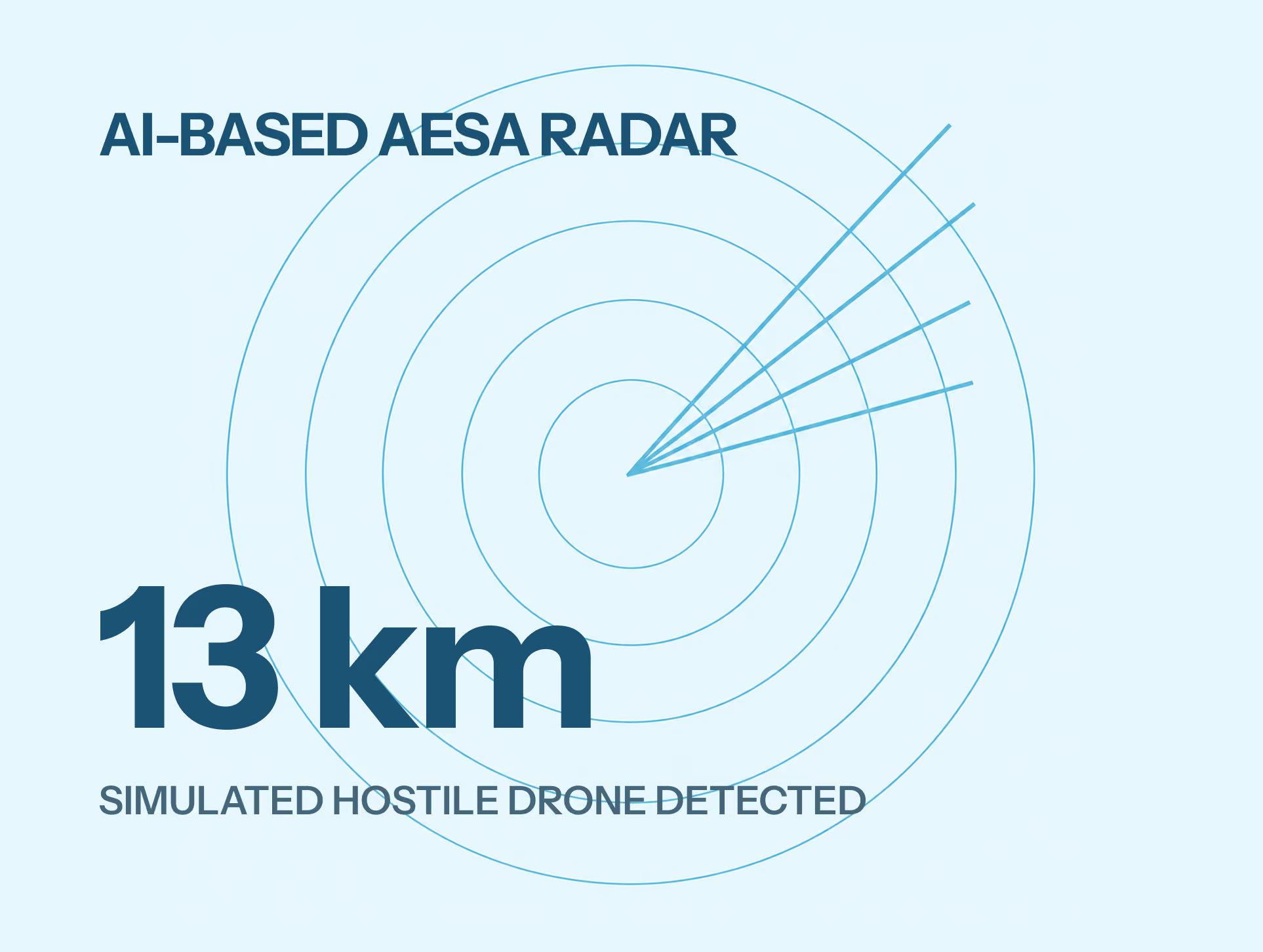
To extend detection range, the team applied AESA radar technology and multidimensional ultra-high-resolution radar signal processing to estimate a drone’s precise location. It also planned to integrate GAN-based AI algorithms for improved classification and recognition from limited training data.
The research and development process reportedly involved collaboration with Korean small and medium-sized businesses to develop radar transmitters, receivers, antennas and signal-processing platforms, highlighting potential for domestic technological self-reliance.
Oh commented that the results stemmed from close cooperation with domestic manufacturers and independent radar signal-processing algorithms, adding that the team would work to change the international perception of Korean radar technology.