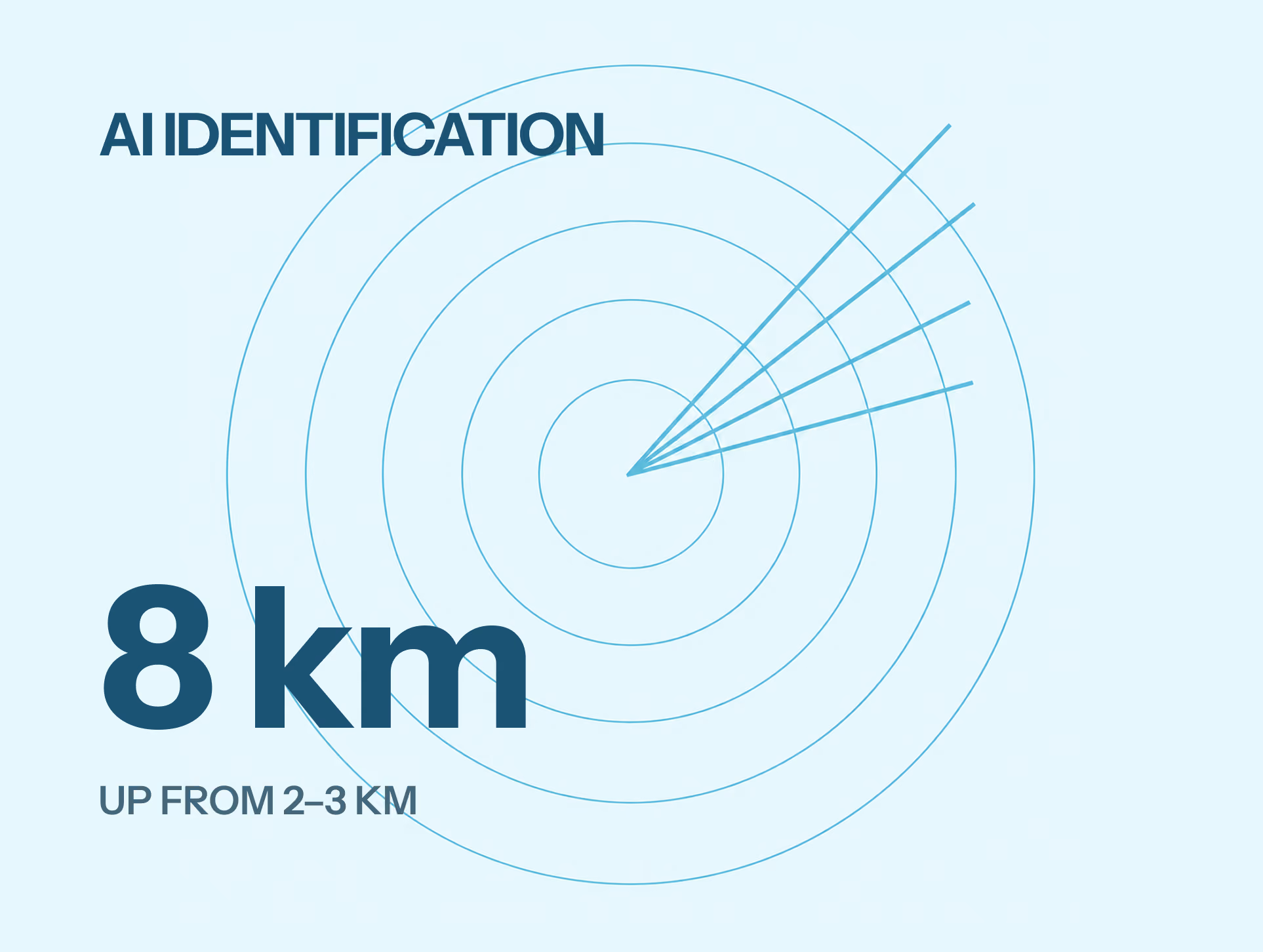
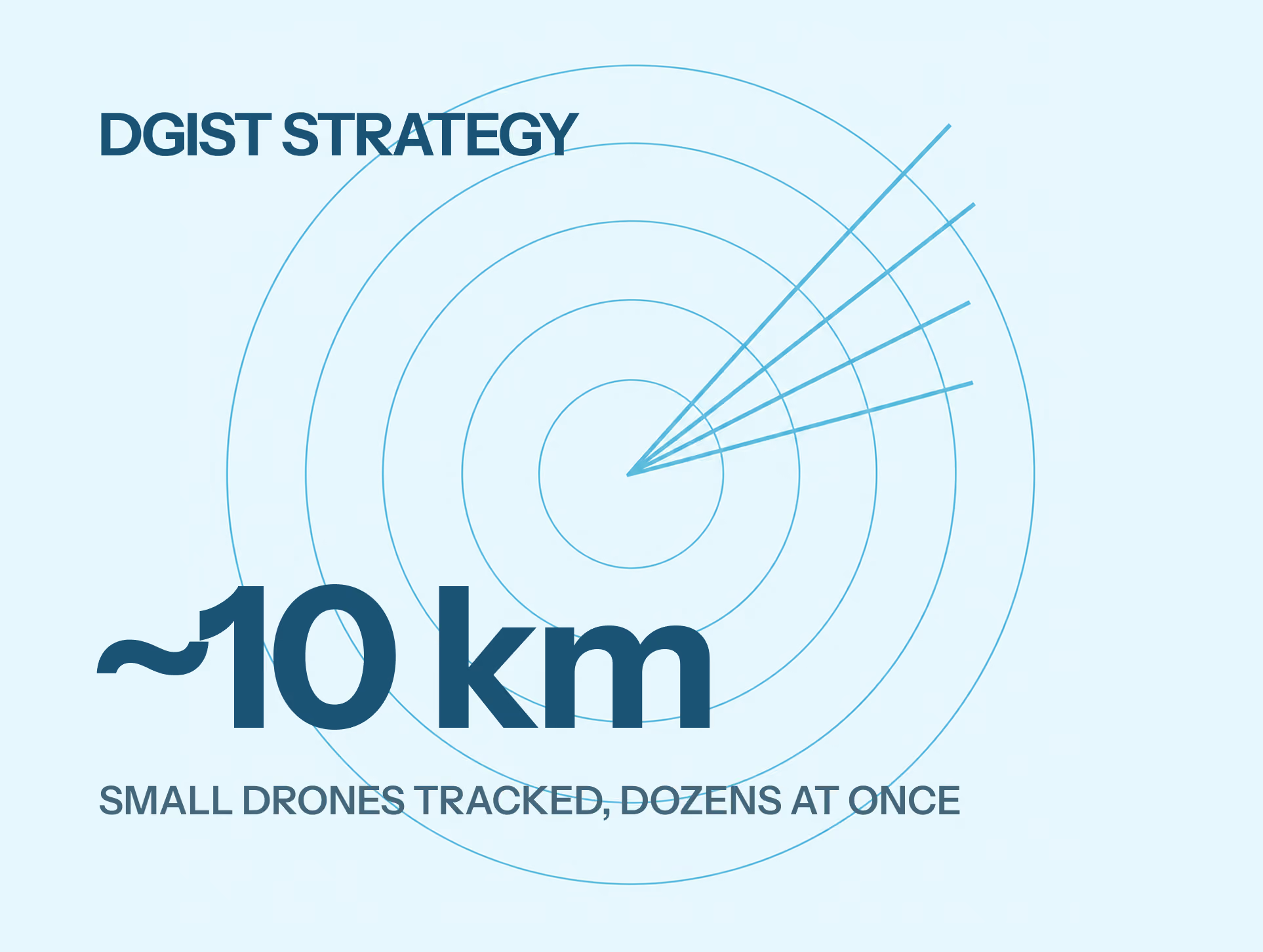
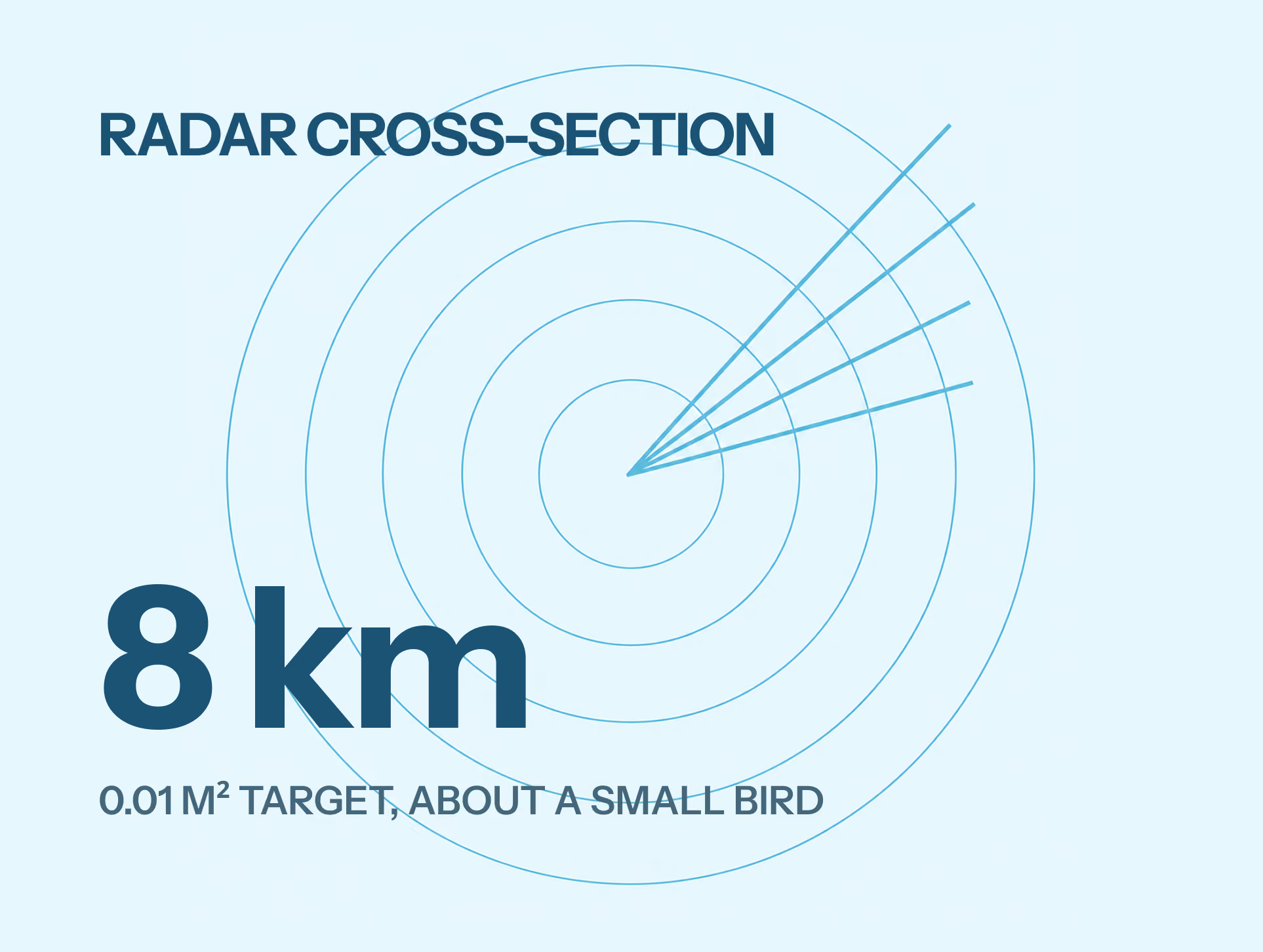
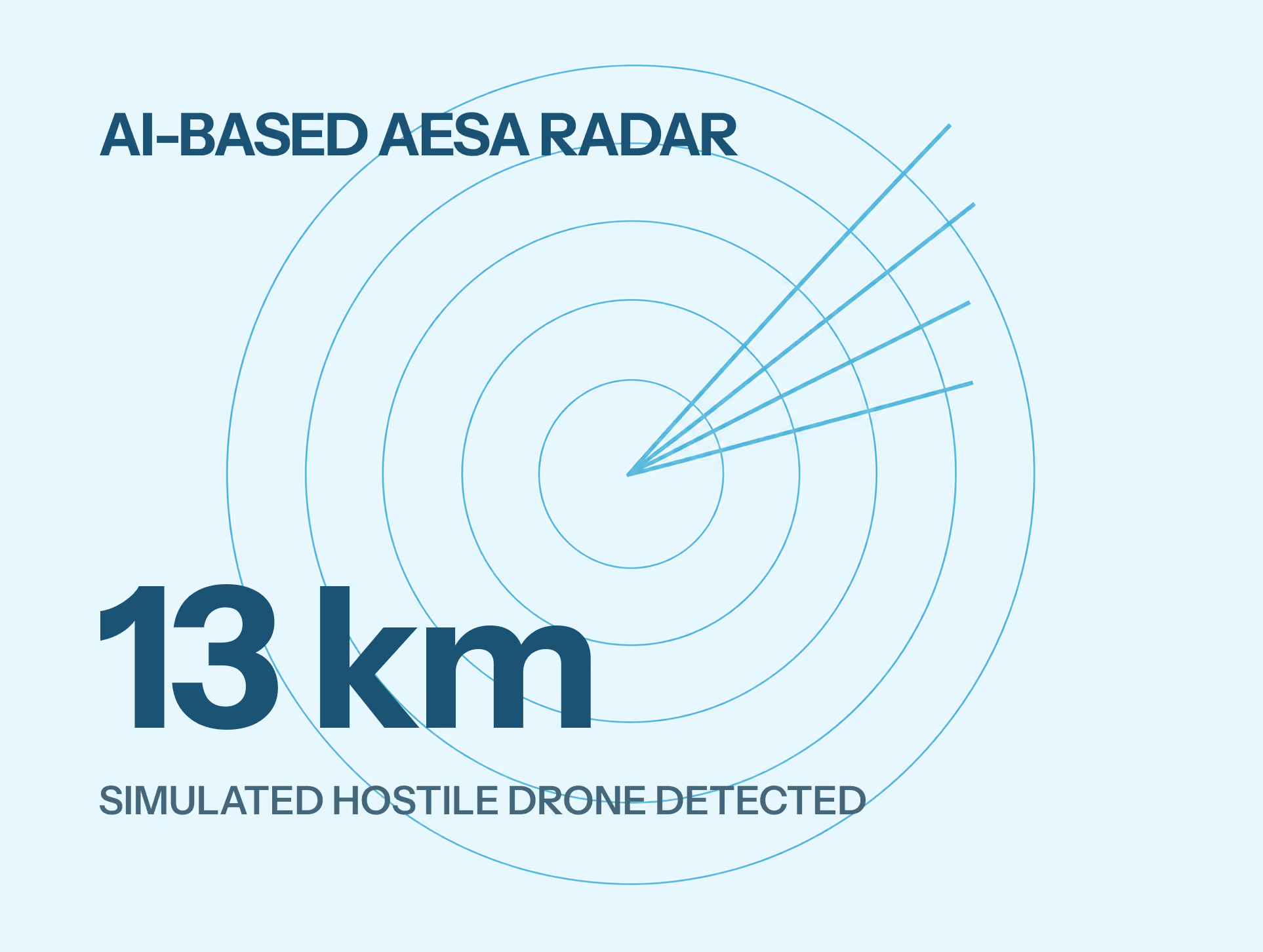
DGIST team members and radar tracking visualization associated with the AESA research. Photos: DGIST.
DGIST announced on December 17 that the AESA drone-detection radar technology developed by a team led by Dr. Dae-gun Oh of its Intelligent Robotics Research Division had been selected for the Defense Acquisition Program Administration’s (DAPA) ‘Integrated Radar-Linked Counter-Drone Solution’ rapid demonstration procurement project.
The equipment was scheduled to be delivered to the Republic of Korea Army, Navy and Air Force around June 2021 for trial operation. The system was expected to play an important role in building future Korean military drone-defense capabilities.
The rapid demonstration procurement program, first launched by DAPA in 2020, is a defense innovation initiative intended to incorporate fast-evolving Fourth Industrial Revolution technologies into military operations. It enables innovative civilian technologies to be proposed, tested and introduced rapidly.
The integrated radar-linked counter-drone project aims to detect hostile small drones approaching critical facilities and neutralize them using radio-frequency jamming.
In 2019, Oh’s team drew Korean and international media attention by developing, entirely with domestic technology, a drone-detection radar capable of identifying small Phantom-class drones at distances exceeding 3 kilometers. In early 2020, it achieved results beyond 5 kilometers, and more recently it detected small drones such as the Matrice 600 at up to 8 kilometers.
The research team said its performance ranked among the best in the world at the time. To extend maximum range, it further advanced its AESA technology and combined it with multidimensional ultra-high-resolution radar signal processing to estimate drones’ position and velocity accurately.
To commercialize the proprietary foundational technology, Oh founded TORIS in 2020 as a DGIST researcher-led start-up. TORIS participated in DAPA’s rapid demonstration project together with DGIST.
Oh said that the results reflected close cooperation among Korean companies and international research organizations. He credited continued support from the Ministry of Science and ICT and DGIST for enabling the accumulation of differentiated, proprietary radar technology, and said the team would continue working to challenge the global market then dominated by the United States, Europe and Israel.
Technical note — Active electronically scanned array (AESA) radar uses antenna modules with individual semiconductor amplifiers and phase shifters to electronically control the direction of transmitted and received radio waves.
Technical note — Ultra-high-resolution radar signal processing improves position-estimation accuracy. The DGIST team had been working on this area since 2013 and previously reported detection of objects more than 200 meters away using the technology.