Official DAPA press release and operational concept for the integrated counter-drone solution, June 22, 2021.
The Defense Acquisition Program Administration (DAPA) announced that its ‘Integrated Radar-Linked Counter-Drone Solution,’ selected in November 2020 under the rapid demonstration procurement program, had completed manufacturing and inspection. Field trials with the Army, Navy and Air Force were scheduled to begin on June 22, 2021 and continue for six months.
Project information: system — Integrated Radar-Linked Counter-Drone Solution; prime contractor — K-Nets Co., Ltd.; contract value — KRW 4.84 billion; operating services — Army, Navy and Air Force.
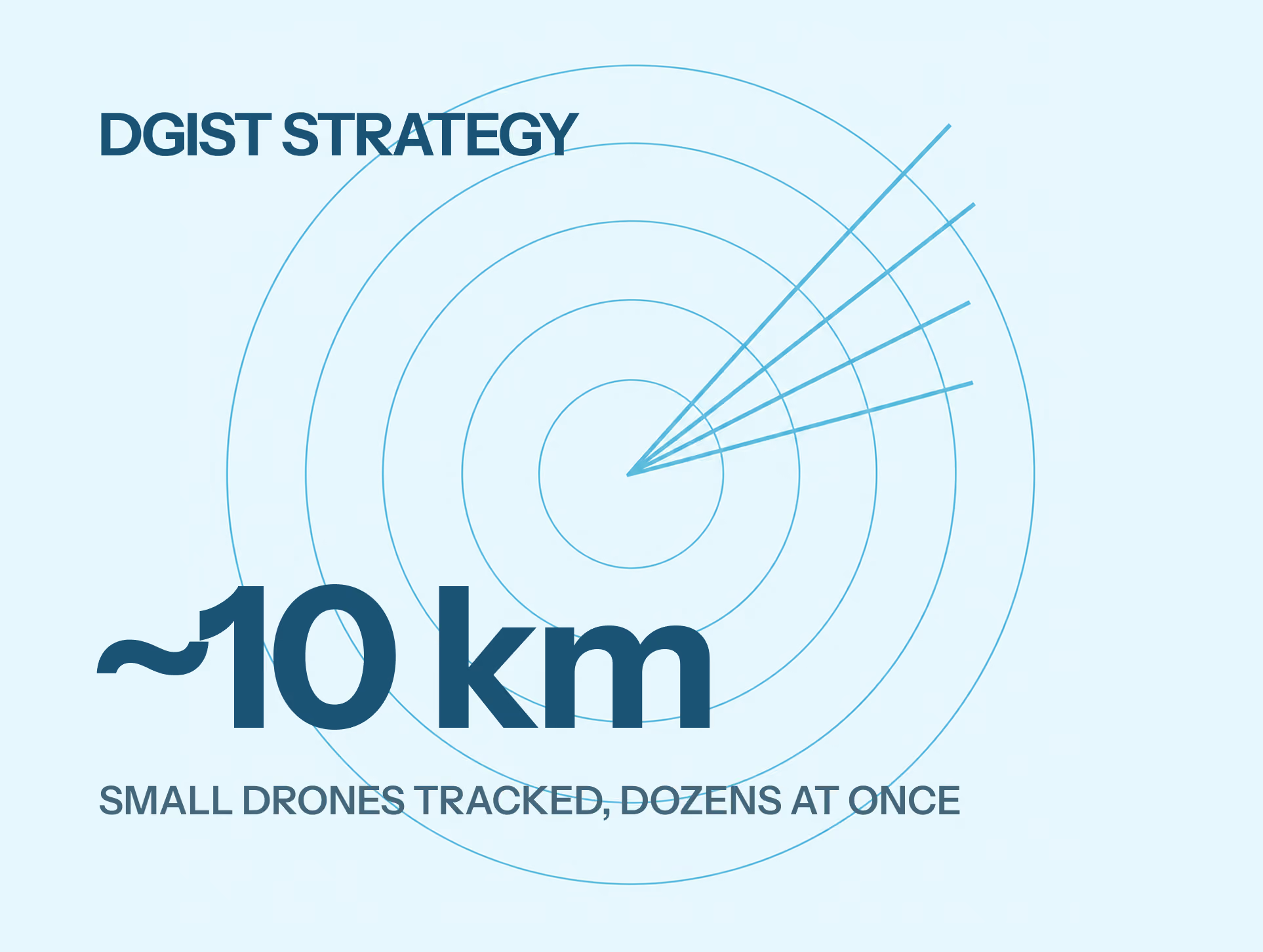
The solution detects small drones, identifies them, and uses electronic jamming to render them inoperable before they approach key military facilities. This integrated sequence of detection, identification, and neutralization is intended to protect military assets against unauthorized drones.
The release noted that the global use of drones for reconnaissance and attack was increasing. In particular, it cited an incident in 2019 in which drones were used to attack Saudi Arabian oil infrastructure, heightening awareness of the need for counter-drone capability.
DAPA said it had introduced the counter-drone system rapidly through its demonstration procurement process to respond to the emerging threat. The delivered radar-linked solution was developed using entirely domestic technology.
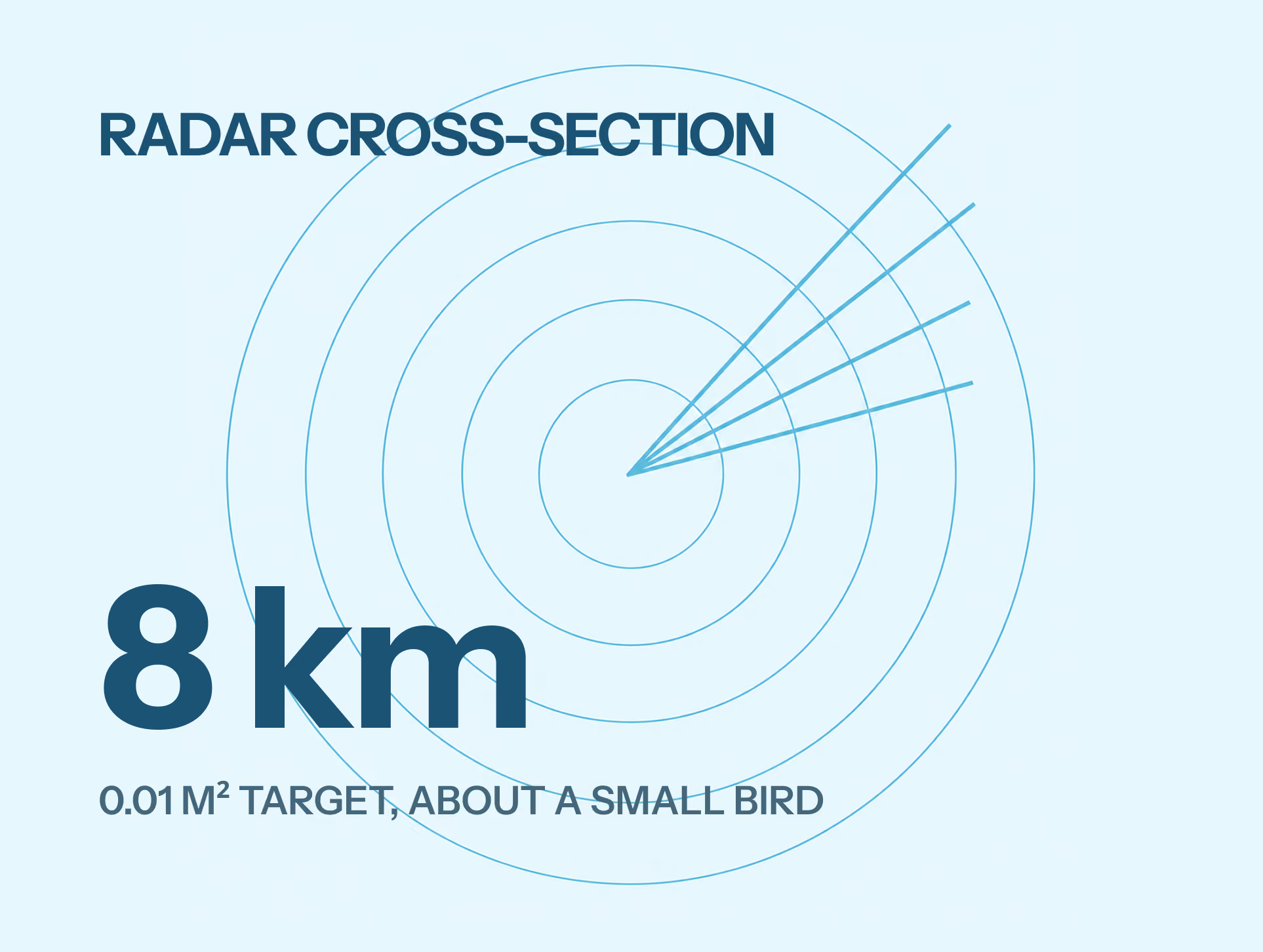
During pre-delivery inspections, the radar detected a very small drone with a radar cross section (RCS) of approximately 0.01 square meter at a distance of 8 kilometers. The tested aircraft was a DJI Phantom 4 Pro (approximately 289.5 × 289.5 × 196 millimeters, as specified in the press release). The agency characterized the performance as world class.
The release noted that radar-based drone-detection technologies had previously been developed and commercialized abroad and that the U.S. military was reported to operate a system capable of detecting small drones at around 7 kilometers.
DAPA expected the new domestic radar capability, able to detect very small targets up to 8 kilometers away, to open opportunities for Korea to compete in the global radar and counter-drone market.
The project was also presented as an example of excellent civilian technology created through industry–academia–research collaboration being introduced into national defense. The AESA radar, a central element for detecting small drones, was developed by a DGIST researcher-founded start-up.
The start-up, although newly established, had secured internationally competitive radar technology and integrated its work with that of the system integrator and electronic-warfare developers to establish a new counter-drone architecture.
DAPA expressed hope that the field trials would significantly strengthen defense capabilities at key military installations. It also expected rapid demonstration procurement to become a valuable avenue for introducing excellent private-sector technologies to meet emerging defense challenges.
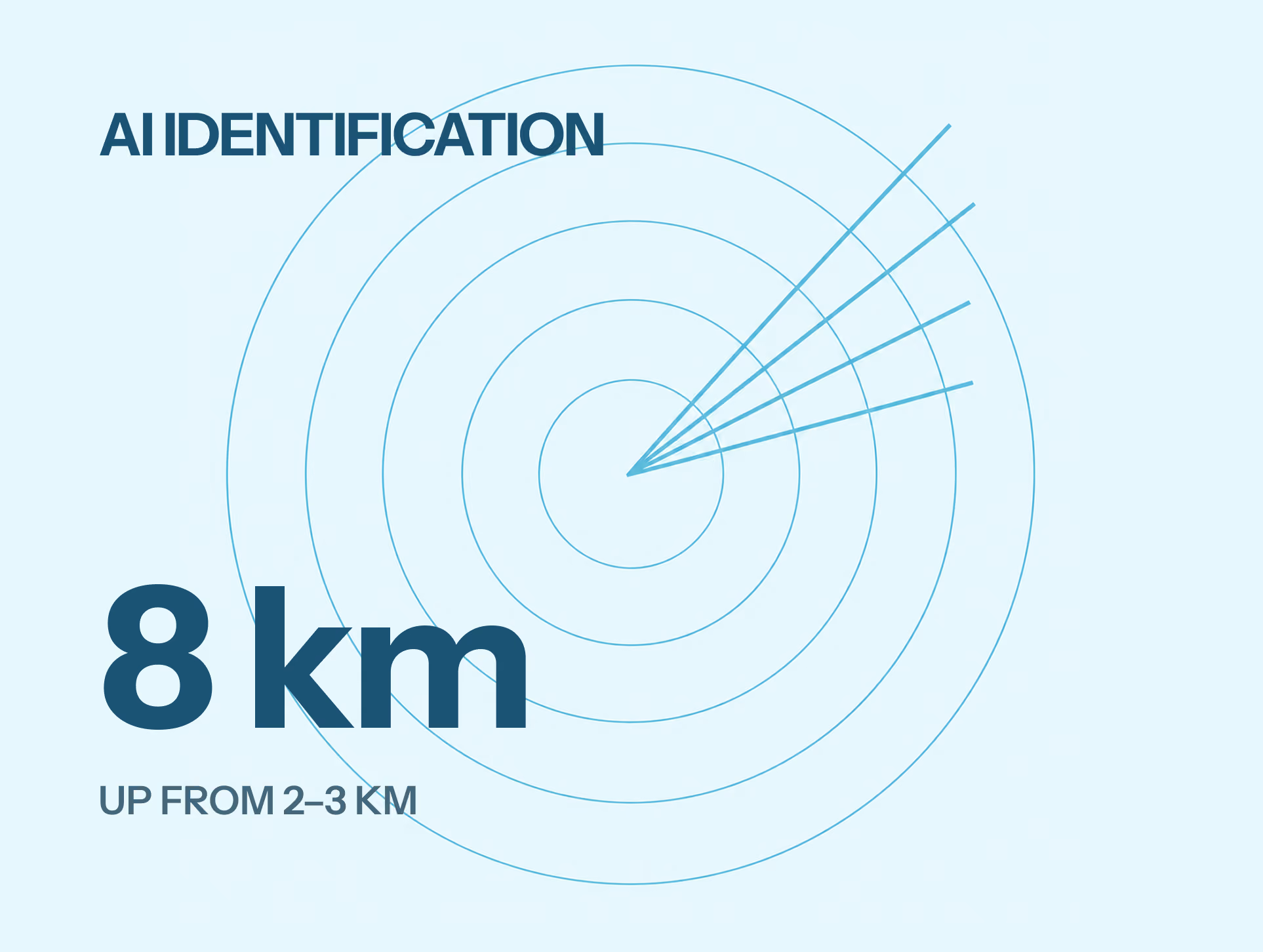
The attached operational concept shows an integrated system consisting of an AESA radar, infrared camera, jamming equipment and associated control equipment. The detection-and-response sequence includes initial detection, radar tracking, infrared and radar tracking, AI-supported classification and jamming of an unauthorized drone.
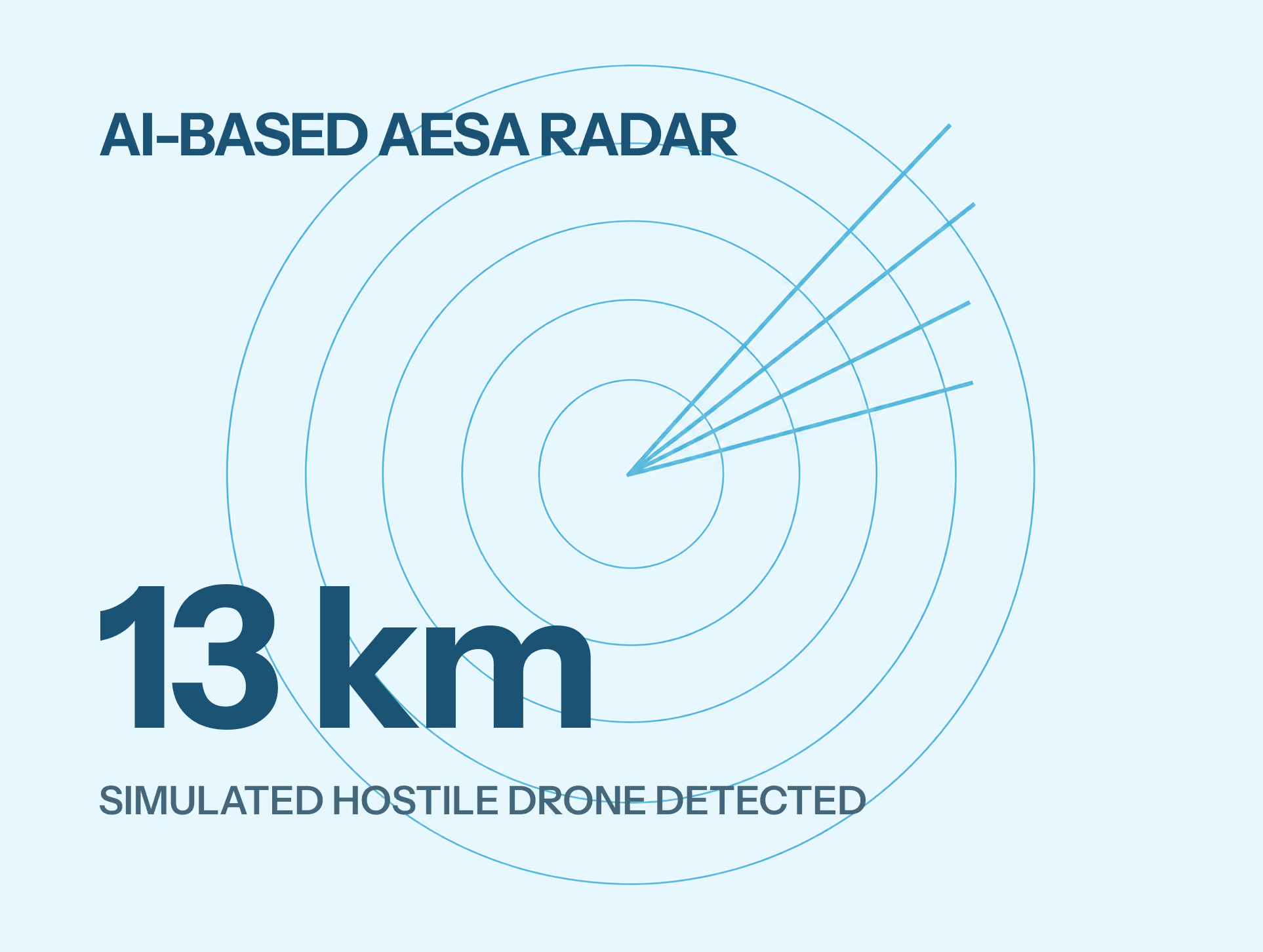
The concept drawing indicates the radar’s reported detection range as 8 kilometers and the associated infrared and jamming ranges as approximately 3 kilometers. The drawing is illustrative of the system presented at the time.